LNEYA Thermo Refrigeration Co.,Ltd


The necessity of temperature heating and cooling cycle in the process of catalytic hydrogenation
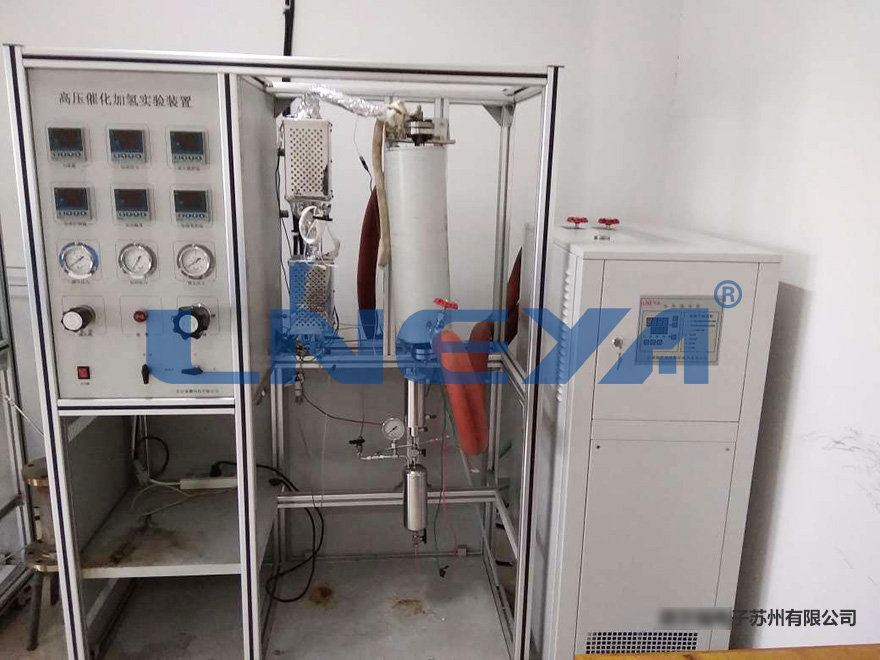
In recent years, with the rising price of oil, the demand for benzene obtained from coking benzene has increased, coupled with the country’s increasing emphasis on environmental protection, the widespread application of coking benzene hydrogenation technology is imperative.
According to the reaction temperature, the coking crude benzene catalytic hydrogenation process can be divided into three types: high temperature hydrogenation (600℃~ 630℃), intermediate temperature hydrogenation (480℃~ 550℃) and low temperature hydrogenation (350℃~ 380℃). It is a high-temperature hydrogenation and low-temperature hydrogenation process.
Temperature has an effect on the reaction rate and selectivity of the hydrogenation reaction, but it does not necessarily have to be high temperature, because the actual production process often uses a catalyst to reduce the reaction temperature, which is very beneficial to production.
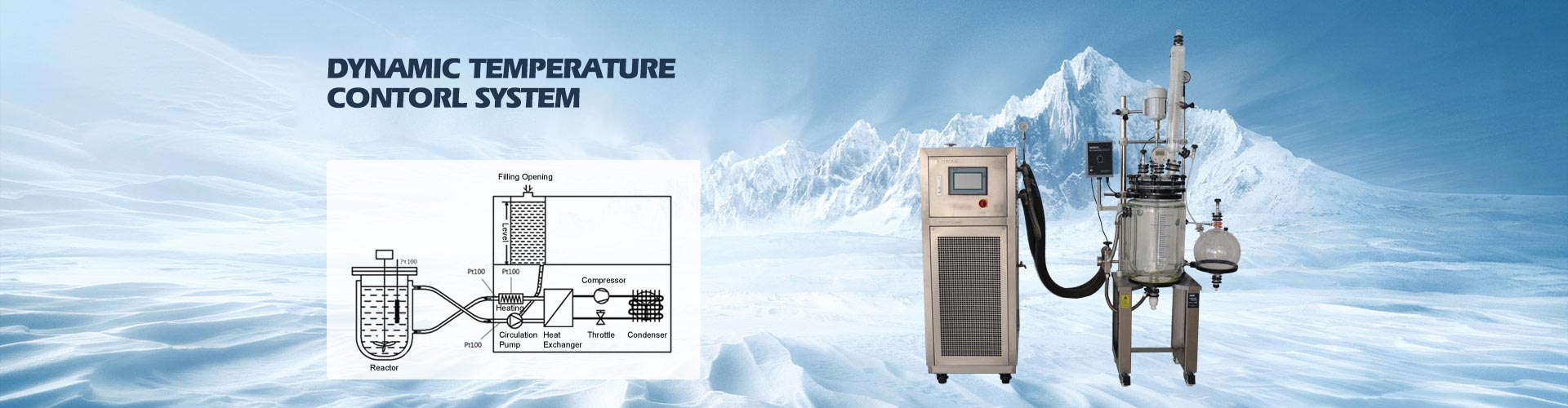
Constant temperature circulators are used more in pharmaceuticals, chemical engineering, and laboratories. Constant temperature circulators can also have heating and cooling functions. They can be used for cooling and heating or maintain constant temperature in the maximum temperature range of -25℃ to 200℃. It uses refrigerants. Compression, condensation, expansion, and evaporation, continuously absorb heat and vaporize at the evaporator, perform cooling and cooling, transfer heat from low-temperature objects to a cycle process like high-temperature objects, cool materials to the required temperature and maintain low temperature.
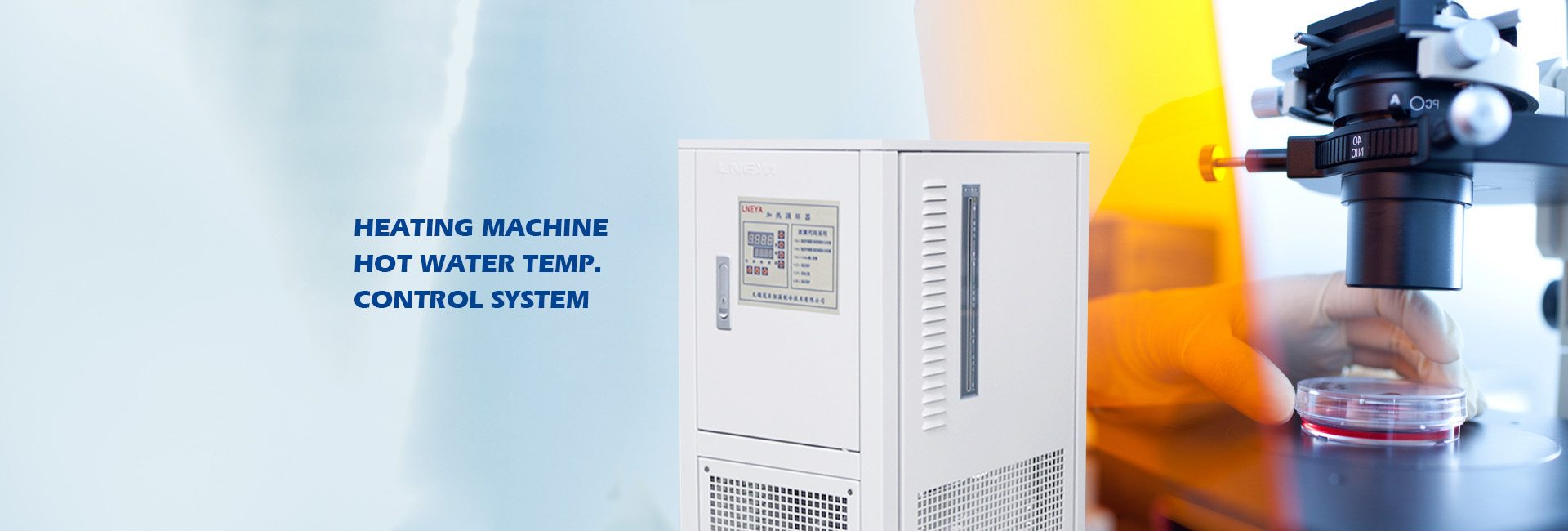
The scope of application is relatively wide, and experimental equipment such as reactors, reactors, fermentation tanks, evaporators, etc. are often used together. LNEYA heating circulator UC series products can realize the high temperature cooling process, from the high temperature of 300 ℃ to 50 ℃ directly. Equipped with a heating and cooling integrated container, the heat exchange area is large, the rate of temperature rise and fall is fast, and the demand for heat conduction oil is small. The product adopts fully enclosed circulation, high temperature without oil mist volatilization, heat conduction oil will not be oxidized and browned. The entire system is a fully enclosed system. There is no oil mist at high temperatures. At low temperatures, it does not absorb moisture in the air. During operation, the system will not increase pressure due to high temperatures. Low temperature automatically replenishes the heat transfer medium.
Related recommendations
-
What Should We Pay Attention to When Purchasing Suitable Low Temp Freezer?
1950Fresh keeping Although the low temp freezer is not simply a "food freezer", the core function is still fresh-keeping. For example, in order to keep tuna fresh, it is necessary to have a constant temperature and strong "freezing force" inside the u...
View details -

What are the functions of the reactor temperature control system?
2005The reactor temperature control system is equipped with various reactors for high and low temperature reflection of liquid and solid. The temperature control system of LNEYA reactor adopts fully closed circulation pipeline, which is efficient in o...
View details -

Structural Characteristics of Industrial Recirculating Chiller
1701In the chemical reaction, there are strict requirements for the reaction temperature. It is necessary to raise the temperature to an appropriate temperature to carry out the chemical reaction smoothly. After the reaction, the temperature in the re...
View details -
The principle and application of production cooling process in pharmaceutical engineering
2984Pharmaceutical engineering refers to the use of chemistry. The engineering process of transforming raw materials into drugs through a series of production processes using scientific knowledge and technological means such as biology and physics. Am...
View details