LNEYA Thermo Refrigeration Co.,Ltd


The role of the chemical and pharmaceutical reactor chiller
In the process of pharmaceutical synthesis and fine chemical operation, we often encounter strong exothermic reactions such as oxidation reaction and acid-base neutralization. For these strong exothermic reactions, if the control is improper or the equipment is not powerful, reliable accidents or accidents are likely to occur. Defects of low production efficiency. How to control the temperature of the reactor reliably and effectively?
The temperature in the reaction stage of the reactor is not a linear process. Among them are the influence of various factors such as exothermic, endothermic, reaction rate, etc. Pure PID control cannot be controlled. Fully automatic control is very difficult to realize. It is necessary to establish a mathematical model and adopt a special medical reactor chiller. Temperature control.
In the process of continuous and stable exothermic reaction, it is necessary to continuously and uninterruptedly pass cooling water into the jacket of the reactor to cool down in order to barely maintain the balance of cold and heat. This is called “bottom draining”. However, if the heat release suddenly intensifies, it is easy to cause flushing, overflow or larger accidents. The main reason is that the heat exchange area per unit volume of the reactor is too small. The amount of cold energy required.
The medical reactor chiller is based on the predictive fuzzy self-tuning PID integrated control technology to realize the temperature control of the reactor. The main idea is to use the predictive output of the system model, combined with the conventional PID control experience, and adopt the fuzzy inference method to improve the controller algorithm. . Compared with the usual PID control scheme, this equipment improves the stability and adaptability of the system, and better solves the problem of temperature control of the reactor.
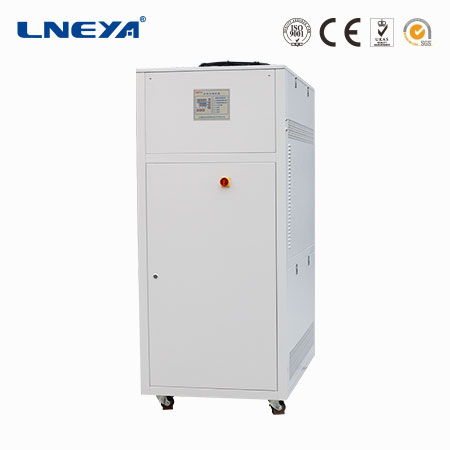
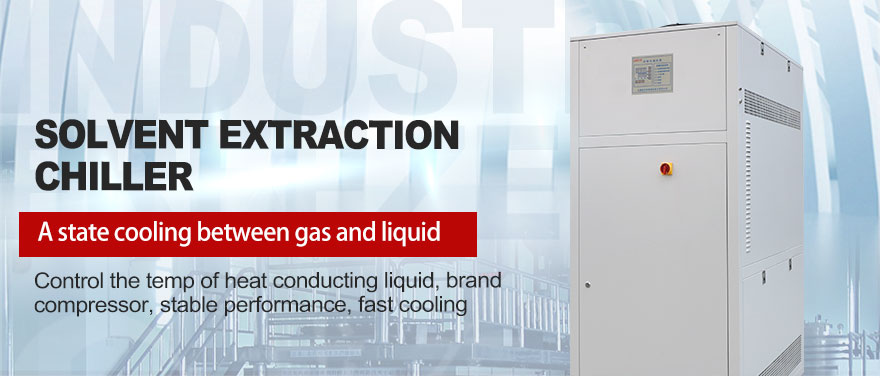
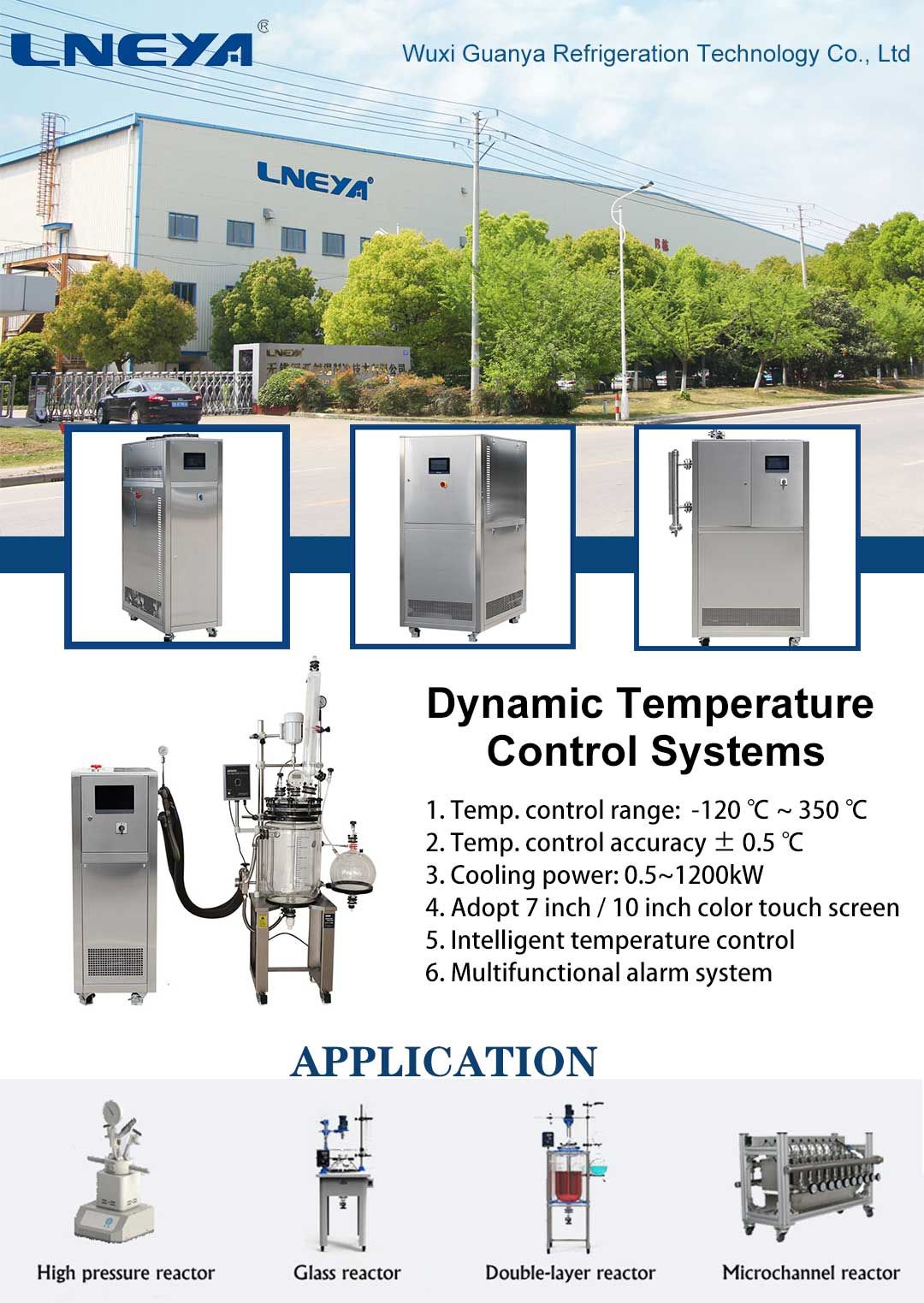
Our lneya’s dynamic temperature control system is also a medical reactor chiller, which has certain applications in pharmaceutical, chemical, biological, medical and other fields. It can help the heat generated in the reaction process to be quickly taken away and the temperature rises in time, so as to improve productivity and efficiency. For equipment details, please contact us sales@lneya.com.
Related recommendations
-

Solution to oil spill of reactor cooling and heating circulator
1970When we use some reactor cooling and heating circulators, we will find that the system pressure fluctuates up and down as the temperature rises, and the oil tank is overflowing. So what are the reasons for these conditions in the cooling and heat...
View details -

Working Principle of Glycol Chiller
2177For the low-temperature chiller using ethylene glycol solution, we call it glycol chiller. Its outlet water temperature is generally below - 10 ℃, and the specific temperature requirements shall be subject to the needs of users. Glycol chillers a...
View details -

Heat transfer oil secondary circulation system use instructions
2129The thermal oil secondary circulation system is equipped with various instruments and equipment for temperature control. When using it, you need to pay attention to its safety knowledge and safer operation. LNEYA heat transfer oil secondary circul...
View details -

Why is the mode of cooling water circulator mainly water circulation?
1864Cooling water circulator is a way to use water for cooling. With the increase in ambient temperature, many companies have also found that the use of circulating water is increasing. The supplement of circulating water is aimed at the water cooling...
View details