 LNEYA Thermo Refrigeration Co.,Ltd


What are the reasons for the power consumption of large-size refrigeration units?
During the operation of large-size refrigeration units, the cooling capacity and working conditions are the main issues of power consumption, but in order to avoid some unnecessary power consumption, we need to understand clearly.
When the scale on the tube wall of the condenser of the large-size refrigeration unit reaches 1.5mm, the condensing temperature will increase by 2.8°C compared with the temperature before the scale, and the power consumption will increase by 9.7. The surface of the large-scale refrigeration unit evaporator is covered with a layer of frost, which reduces the heat transfer coefficient, especially when the outer surface of the fin tube is frosted, which not only increases the heat transfer resistance, but also makes the air flow between the fins difficult and reduces The surface heat transfer coefficient and heat dissipation area. When the ambient temperature is lower than 0°C and the temperature difference between the two sides of the evaporator tube group is 10°C, the heat transfer coefficient of the evaporator is about 70 before frosting after one month of operation.
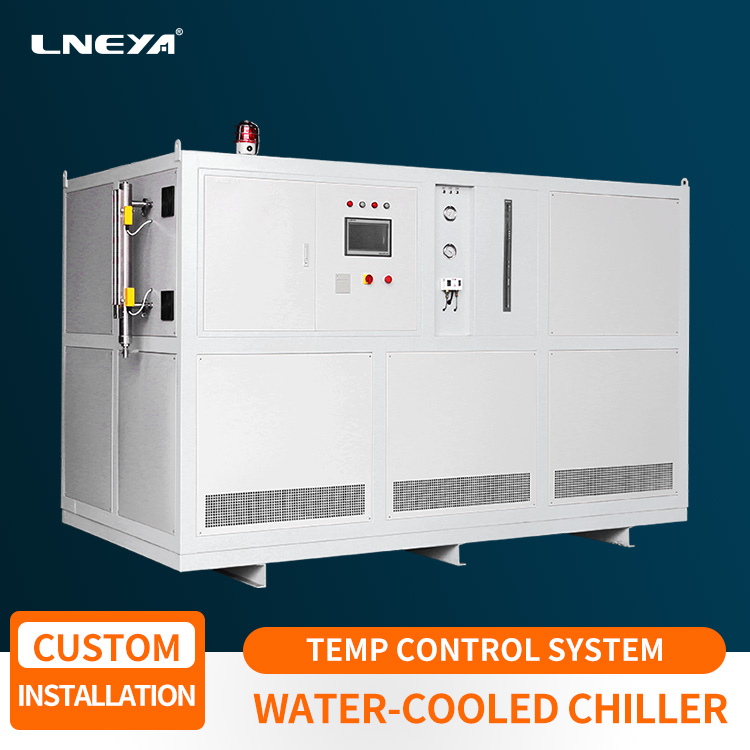
The gas sucked in by the compressor of a large-size refrigeration unit allows a certain degree of superheat, but the superheat is too high, the specific volume of the sucked gas increases, its cold production is reduced, the relative power consumption increases, the compressor is frosted, and the suction is quickly turned off. The valve drastically reduces the cooling capacity and relatively increases the power consumption.
As the evaporation temperature of the large-size refrigeration unit decreases, the compression ratio of the compressor increases, and the energy consumption per unit of cold production increases. When the evaporation temperature drops by 1℃, it will consume 3%-4% more electricity. Therefore, reduce the evaporation temperature difference as much as possible and increase the evaporation temperature, which not only saves power consumption, but also increases the relative humidity of the cold room.
As the condensing temperature of large-size refrigeration units increases, the compression ratio of the compressor increases, and the energy consumption per unit of cold production increases. When the heat exchange surface of the condenser and evaporator of a large refrigeration unit is covered with an oil layer, it will cause the condensation temperature to rise and the evaporation temperature to decrease, resulting in a decrease in cold production and an increase in power consumption. When the air accumulates in the condenser, it will cause the condensing pressure to rise, and the power consumption of the compressor will increase.
If the same large-size refrigeration unit has the same structure and speed, the cooling capacity and power consumption are different if the operating conditions are different. Therefore, the operator will perform the operation after understanding it clearly to avoid the increase in the operating cost of the enterprise.
Related recommendations
-
Low temperature freezer (explosion proof) product application instructions
1637LNEYA low temperature freezer (explosion proof) is mainly used for low temperature storage in chemical explosion areas. The equipment adopts microcomputer control, multiple safety protection and more reliable operation; single compressor automatic...
View details -
Battery test cooling device Chiller common configuration instructions
2444Under normal use, the battery test cooling device Chiller needs to be discovered in time when any part of the abnormality occurs. This requires a clear understanding of the basic configuration of the battery test cooling device Chiller. The batter...
View details -
Which Type of Chiller Can Be Chosen for Cooling XRD?
2299Which Type of Chiller for Cooling XRD?
View details -
Heat transfer oil for cooling and heating temperature control systems in the chemical and pharmaceut
2272The cooling and heating temperature control system, also known as a high and low temperature circulator or dynamic temperature control system, is a temperature control equipment used in the pharmaceutical and chemical industry to provide cold and ...
View details


