LNEYA Thermo Refrigeration Co.,Ltd


Heating and cooling system for chemical reaction kettle reaction process
In the process of chemical chemical reaction, material temperature is an important production process parameter. For example, in salt crystallization, solution separation, organic pigment and intermediate processing, temperature control is particularly important. In order to achieve this goal, the reaction kettle is directly refrigerated and cooled, so as to achieve the purpose of indirectly reducing the temperature of the materials in the reaction kettle. For this reason, it is urgent to adopt suitable refrigeration equipment to lower the temperature of the reactor.

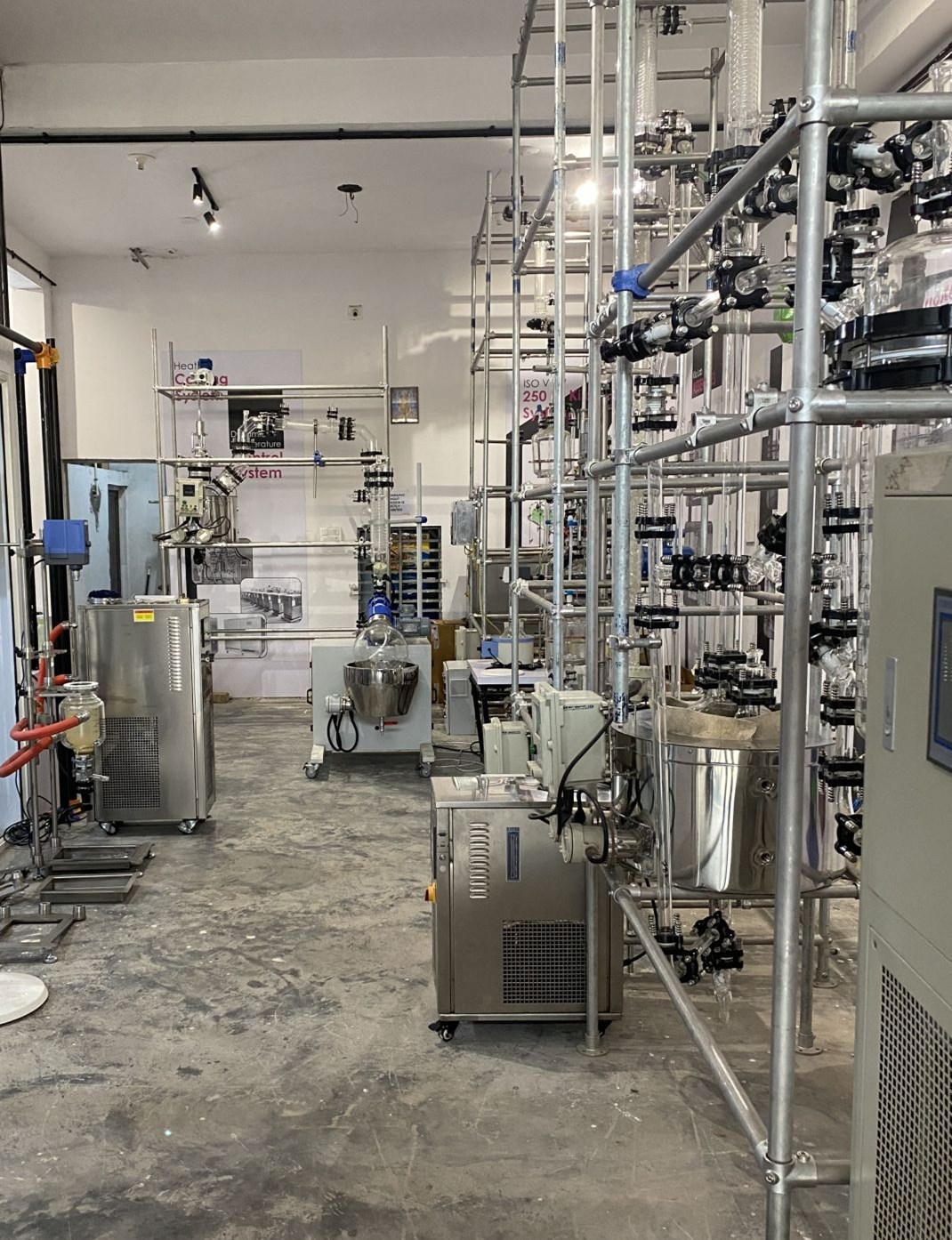
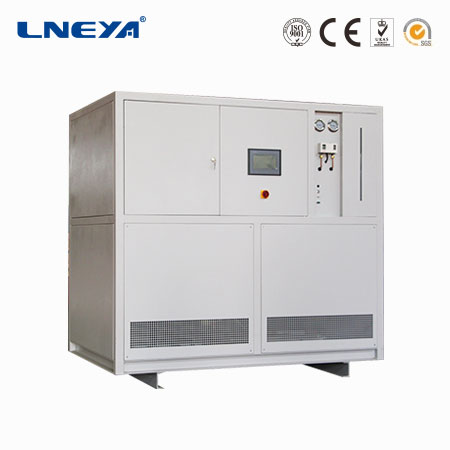
The heating and cooling system in the reaction process of the reactor is mainly used for cooling and cooling of the chemical reactor (chemical heat exchanger), and timely takes away the huge heat generated by the chemical reaction to achieve the purpose of cooling (cooling) and improve the quality of the product. The main heating and cooling system of the reactor reaction process is also called the chemical water chiller and the reactor water chiller, which are widely used in chemical and pharmaceutical industries.
In chemical production, because of the large refrigeration capacity, some tens of thousands of kcal per hour, there is a large demand for low-temperature refrigeration. The rate of most chemical exothermic reactions in the reactor cooling system will increase with increasing temperature and decrease with decreasing temperature. If the reaction temperature is lowered, the reaction will slow down, and the unreacted materials may accumulate in the reactor.
During the reaction, the temperature rises again, and the unreacted materials may start to react. If there are enough unreacted materials, the heat released by the reaction may exceed the cooling capacity of the reactor. In the selection of chiller equipment, chemical industry practitioners should pay special attention, otherwise it will cause refrigeration mismatch, high energy consumption, and even product quality problems, affect normal production, and increase enterprise operating costs.
Different types of production require different temperature conditions for the reactor to cool down. LNEYA provides room temperature reactor cooling, medium temperature reactor cooling, low temperature reactor cooling, cryogenic reactor cooling, etc., heating and cooling systems and temperature solutions for the reactor reaction process at various temperatures.
Related recommendations
-

Temperature control of dynamic temperature control system in process engineering
2015In the chemical industry, especially in process engineering, many processes are bound to a temperature, or can be supported by specific temperature control applications, thereby making efficiency higher. An example of the latter is continuous temp...
View details -
The Structural Characteristics Of Heating Cooling Systems SST-15 SST-20
2057Anyway, Heating Cooling Systems SST-15 SST-20 is a high-performance product with comprehensive functions and simple operation. It will help customers expedite the experiment and save resources so that improve work efficiency.
View details -

Configuration form of circulating heating unit for laboratory
2037The standard model of the circulating heating unit for LNEYA laboratory is: SUNDI, the temperature range is from room temperature to minus 120 degrees Celsius, and the capacity can be divided into 5L, 10L, 20L, 30L, 40L, 50L, 80L, 100L, larger cap...
View details -

What is the principle of industrial air-cooled chillers
3077Many industrial productions are inseparable from the low-temperature production environment provided by the chiller and cannot obtain efficient production capacity. Therefore, industrial chiller equipment is a very important refrigeration equipmen...
View details