 LNEYA Thermo Refrigeration Co.,Ltd


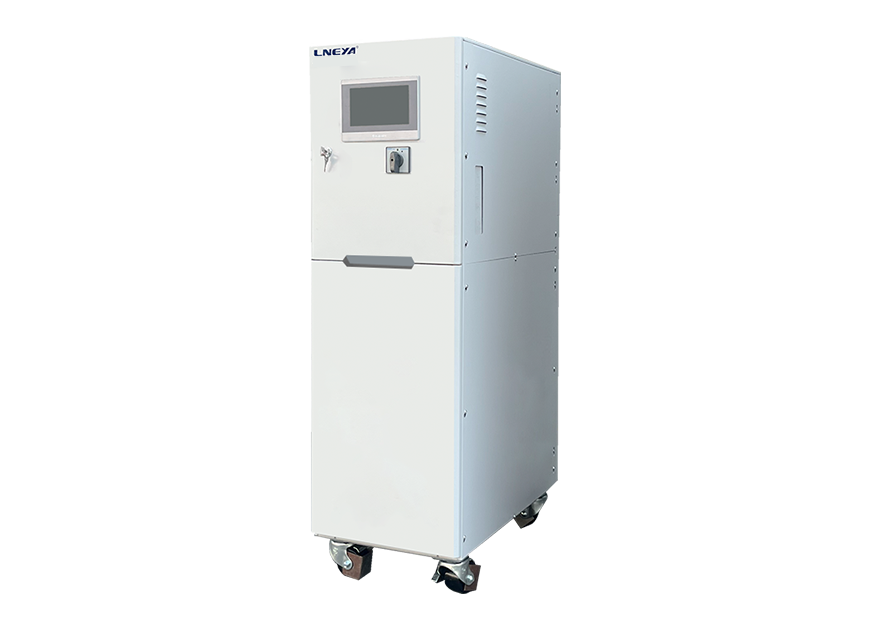
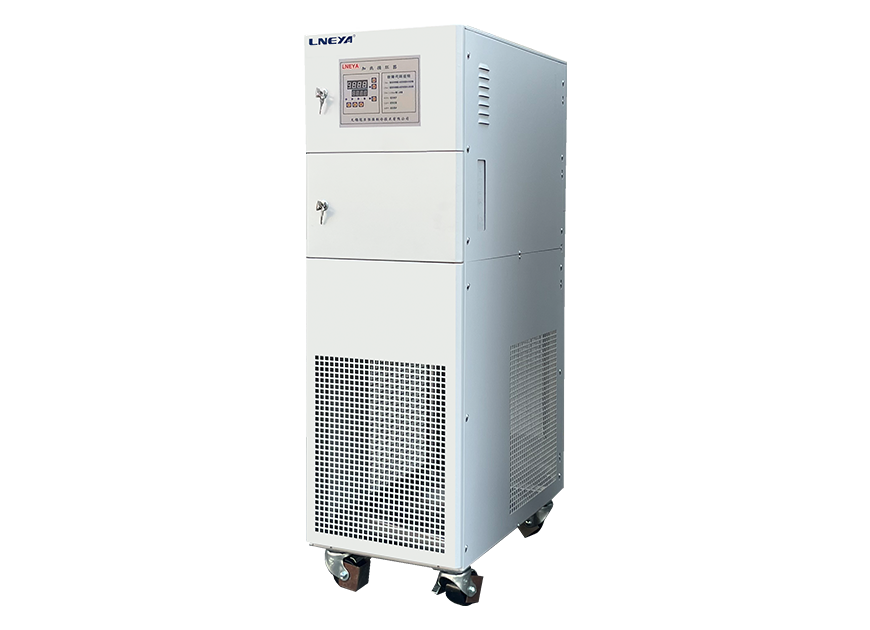
Why do semiconductor companies need heating circulator equipment?
Semiconductor manufacturing enterprises need heating circulator equipment mainly for the following key reasons:
Temperature Control Accuracy: The semiconductor manufacturing process has extremely strict requirements for temperature control. The heating circulator can provide precise temperature control, ensuring that the temperature remains within a very small fluctuation range in key steps such as chip processing, photolithography, etching, deposition, and heat treatment. This is crucial for achieving high-precision semiconductor structures and improving product yield.
Process Stability: At different stages of semiconductor manufacturing, it is necessary to repeat the same or similar heating and cooling processes. The heating circulator can ensure consistent temperature conditions for each process cycle, improve process stability and repeatability, which is essential for large-scale production.
Rapid Temperature Change: In some process steps, such as rapid thermal annealing (RTP) and temperature cycling testing, it is necessary to quickly switch between high and low temperatures. The heating circulator, with its efficient heating and cooling capabilities, can meet the demand for rapid temperature changes and improve production efficiency.
Thermal Management: The semiconductor manufacturing process generates a large amount of heat, especially in the manufacturing of high-density integrated circuits. The heating circulator can effectively remove this heat, keep the equipment and environment within a safe operating temperature range, and avoid damage to the equipment and chips caused by thermal stress.
Energy conservation and emission reduction: Modern heating circulators focus on energy efficiency in their design. Through optimized heat exchange systems and intelligent control technology, energy consumption is reduced, production costs are lowered, and the impact on the environment is reduced, which meets the needs of sustainable development for enterprises.
Compatibility and Integration: Semiconductor manufacturing equipment often needs to be integrated with multiple process equipment. The heating circulator can be flexibly configured according to specific process requirements, seamlessly integrated with existing production lines, and provides customized temperature control solutions.
Safety and Reliability: The semiconductor manufacturing process involves high-value materials and complex processes, and any errors in temperature control can lead to significant losses. Heating circulators are usually equipped with multiple safety measures to ensure safe operation, reduce failure rates, and improve equipment stability and reliability.
In summary, the heating circulator equipment is a key technical equipment for semiconductor manufacturing enterprises to ensure product quality, improve production efficiency, maintain equipment safety, and achieve environmental friendliness.
- MORE
UST Series
APPLICATIONS Suitable for temperature control in more usage scenariosUsed with reactors, reactors, microchannels, distillation systems, etc., and also used for heating and cooling of other equipment. Widely used in pharmaceutical, chem…
- MORE
UC/LY Series Heating Circulators
APPLICATIONS Product Features Product Parameters APPLICATIONS Temperature control solution for Distillation and concentration The ba…
loading…
已经是到最后一篇内容了!
Related recommendations
-
Why Is Temperature Cycling Testing Performed On Chips?
396Why Is Temperature Cycling Testing Performed On Chips? Temperature cycling testing is a technique employed to evaluate the durability of semiconductor chips. By repeatedly exposing the chip to alternating high and low temperatures, this test ...
View details -
Semiconductor Chiller Applications in Modern Wafer fabrication
2234Discover how chillers ensure precise temperature control in wafer fabs. Learn key applications in lithography, etching, CMP, and more.
View details -

ZLJ Series
3888Multiple control requirements can be achieved by merging multiple devices into a larger cabinet Used for small heat exchange area and large heat exchange capacity The product directly outputs and...
View details -
Which process in semiconductor manufacturing requires a multi-channel chiller? Why is it necessary?
2026Chemical Vapor Deposition (CVD): In the CVD process, a multi-channel chiller is used to cool the reaction chamber walls, heat exchangers, and gas preheating exchangers to maintain stable reaction chamber temperature, ensuring precise contro...
View details


