 LNEYA Thermo Refrigeration Co.,Ltd


Ion implantation chillers in semiconductor manufacturing processes
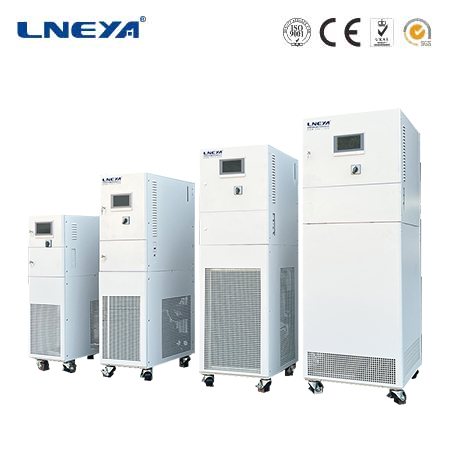
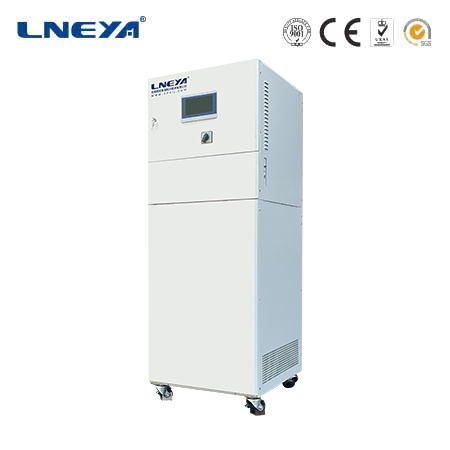
Ion implantation is an important step in semiconductor manufacturing processes to precisely dope and control the electrical properties of semiconductor materials by implanting high-energy ions into them. This process generates a lot of heat, so chillers are needed to achieve the following goals. The temperature requirements of the chillers used in the ion implantation process are set according to the specific operating conditions of the ion implantation equipment and the characteristics of the semiconductor materials being processed. Although the specific temperature setting value may vary depending on the equipment model, process flow and the doping effect sought, in general, the chiller needs to be able to provide stable low-temperature cooling to maintain the temperature of key components in the ion implantation equipment within a precise and narrow range.

Temperature Range: The chiller is generally required to be able to provide cooling capacity from ambient temperature to approximately -20°C or even lower, depending on the heat generated during the ion implantation process and the cooling requirements of the equipment. For some high-end or special applications, lower temperature control capabilities may be required.
Temperature Stability: Temperature stability is extremely critical during the ion implantation process. The chiller needs to be able to maintain the set temperature fluctuation between ±0.1℃ and ±1℃ to ensure accurate control and repeatability of the implantation process.
Fast Response: The rapid temperature change during ion implantation requires the chiller to have a fast response capability, and to be able to quickly adjust the cooling output to adapt to changes in process requirements to avoid temperature exceeding the control range.
Cooling Uniformity: The chiller also needs to ensure that the temperature of the coolant is uniform during the circulation process to avoid local overcooling or overheating, which is very important for maintaining the consistency of the internal temperature of the equipment.
Intelligent Control: Modern ion implantation chillers are usually integrated with advanced temperature control and monitoring systems, such as PID controllers, which can automatically adjust the cooling output to respond to real-time temperature changes and ensure constant cooling effect.
In summary, the temperature requirements of ion implantation chillers in semiconductor manufacturing processes emphasize low temperature, high stability and fast response capabilities, aiming to create a highly controllable temperature environment for the ion implantation process, thereby ensuring the accuracy of doping and the performance of semiconductor devices.
SemiocnductorProcess Chillers
Related recommendations
-

Why Chip Testing Needs Semiconductor Chillers
1864Struggling with chip test failures? See how semiconductor chillers keep wafers stable, cut downtime, and protect your production.
View details -
What Is a Chemical Process Chiller
1607화학 공정 분야에서 일해본 경험이 있다면 반응기 시스템이 얼마나 까다로운지 잘 알고 있을 것입니다. 온도가 조금만 변해도 수율이 떨어지고, 열이 축적되면 안전 리스크가 증가합니다. 화학 공정용으로 설계된 전용 칠러는 이러한 문제의 흐름을 근본적으로 바꿔...
View details -

What Is a High Precision Chiller
1788High Precision Chillers deliver ±0.02°C stability for semiconductors, pharma, lasers, and labs, ensuring reliable performance and energy savings.
View details -
How Cooling Capacity Affects Chiller Price
1443Learn how chiller cooling capacity affects price. Discover why larger chillers cost more and how to choose the right size for your process.
View details


Expand more!


