 LNEYA Thermo Refrigeration Co.,Ltd



Thermal Oil System for Reactors in chemical/industrial laboratory
A thermal oil system for a reactor is a heat transfer system designed to provide precise and controlled heating or cooling to a chemical or industrial reactor.
This system uses a heat transfer fluid, typically a high-temperature mineral oil or synthetic fluid specifically formulated for this purpose, which can operate at elevated temperatures without breaking down or evaporating.Here’s an overview of the components and operation of a thermal oil system for a reactor:
1. Heat Transfer Fluid (Thermal Oil): The heart of the system is the heat transfer fluid, which has excellent thermal stability, low viscosity change over temperature, and high specific heat capacity. It is circulated through the reactor jacket or internal coils, efficiently transferring heat to or from the reactor contents.
2. Heating Source: The thermal oil is heated by an external source, such as a gas-fired burner, electric heaters, or a steam boiler. The heating source raises the temperature of the thermal oil to the desired level for the reactor process.
3. Thermal Oil Pump: A pump circulates the hot thermal oil through a closed-loop system, ensuring uniform heat distribution within the reactor. The pump is usually equipped with temperature and pressure monitoring devices to maintain safe operating conditions.
4. Heat Exchanger: In some cases, the thermal oil system may include a heat exchanger to indirectly heat or cool the reactor. The heat exchanger allows the thermal oil to transfer its heat to another medium, such as water or glycol, which then flows through the reactor jacket or coils. This indirect heating method provides an additional safety barrier and is often used when dealing with highly reactive or hazardous materials.
5. Expansion Tank: An expansion tank is incorporated into the system to accommodate the volume changes of the thermal oil as it heats up and cools down. It also serves as a reservoir for makeup fluid and helps maintain a constant system pressure.
6. Control System: A sophisticated control system monitors and regulates the temperature of the thermal oil, adjusting the heating source output or heat exchange rate as needed. It ensures that the reactor maintains a stable and accurate temperature profile throughout the process, which is crucial for consistent product quality and process efficiency.
7. Safety Features: The thermal oil system includes various safety features, such as temperature and pressure sensors, alarms, automatic shutdown systems, and fire protection measures, to prevent overheating, leaks, and other potential hazards.In summary, a thermal oil system for a reactor is a critical component in maintaining precise temperature control during chemical reactions or processes.
It offers efficient heat transfer, versatility in temperature control, and enhanced safety compared to direct heating methods, making it a popular choice in various industries, including pharmaceuticals, petrochemicals, and fine chemicals.
Thermal Oil System
- More
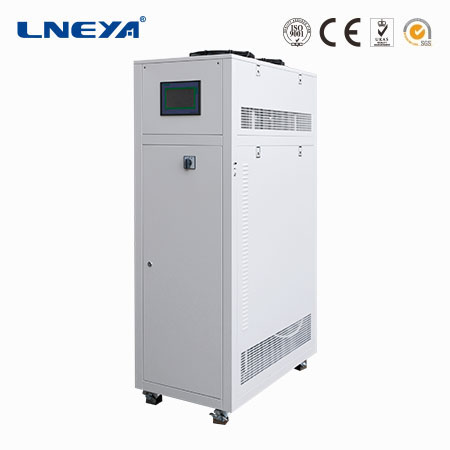
HR -25℃~200℃
The cooler is a very important part of the screw air compressor. The main function is to cool the lubricating oil of air compressor and the compressed air. If it’s blocked, then the temperature will go up. A…
- More
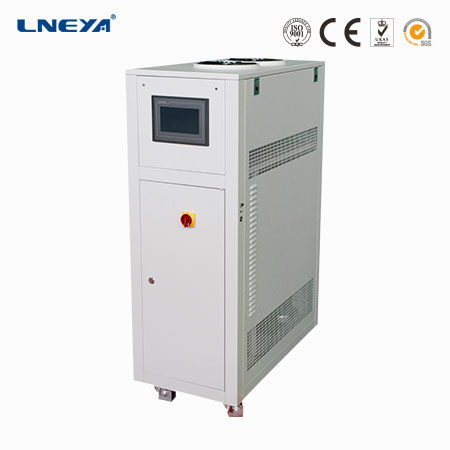
HRT -45℃~250℃
The cooler is a very important part of the screw air compressor. The main function is to cool the lubricating oil of air compressor and the compressed air. If it’s blocked, then the temperature will go up. A main cause of t…
loading…
已经是到最后一篇内容了!
Related recommendations
-
Industrial grade heating and cooling system placement attention
2374Industrial-grade heating and cooling system Before the power is turned on, check whether the voltage specified on the nameplate is the same as the household voltage. The same can be used to arrange separate power lines and special sockets for the ...
View details -
Working Principle and Process of Chiller Temperature Control and Pressure Controller
3316Air cooled chiller temperature controller is a two - position regulator, also known as chiller temperature control relay.According to the change of adjusted temperature,the chiller temperature control makes the contact on or off, thus controlling ...
View details -
Typical application of refrigeration heating temperature control system
1790LNEYA Dynamic thermostatic control of cold and heat source of high pressure reaction kettle, dynamic thermostatic control of double layer glass reaction kettle, and dynamic thermostatic control of cold and hot source of double-layer reactor. Micro...
View details -
Explosion-proof hot and cold machine winter maintenance instructions
2722When the explosion-proof type hot and cold integrated machine is used at the end of the day or when it is not used by the standby, be sure to disconnect the cooling water connection pipe, clean the remaining cooling water in the pipe, and store it...
View details


