LNEYA Thermo Refrigeration Co.,Ltd


Which processes of ultrafine material enterprises require cooling water chillers?
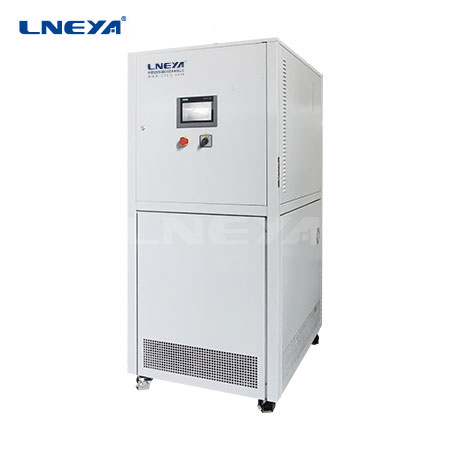
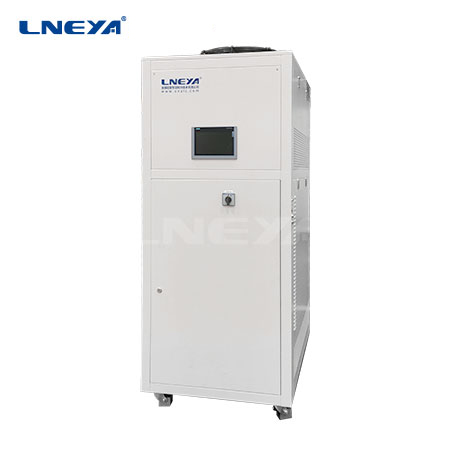
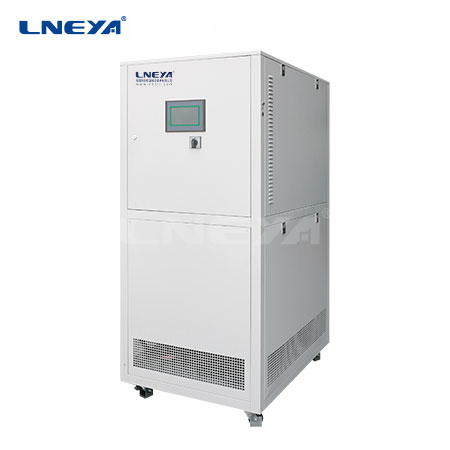
Ultrafine material enterprises often require precise temperature control during the production process to ensure the quality of the product and the stability of the production process. Water chillers play a key role in multiple processes of ultrafine material enterprises.
The following are the main applications of water chillers in ultrafine material enterprises:
1.Raw material pretreatment:
- Drying process: During the drying process of ultrafine materials, the temperature of the drying equipment needs to be precisely controlled to avoid over-drying of the raw materials or excessive moisture content.
- Mixing process: When mixing raw materials, the temperature of the mixing equipment may need to be controlled to ensure that the raw materials are mixed evenly.
2.Preparation process:
- Grinding process: During the grinding process, due to the heat generated by high-speed rotation and friction, a water chiller is required to control the temperature of the grinding equipment to ensure the quality of the material.
- Spray drying: During the spray drying process, the temperature in the drying tower needs to be precisely controlled to ensure the particle size distribution and dryness of the powder.
- Solvent evaporation: When using the solvent evaporation method to prepare ultrafine materials, the temperature of the evaporator needs to be controlled to ensure complete evaporation of the solvent without destroying the material structure.
3. Synthesis process:
•Chemical reaction: The synthesis of many ultrafine materials requires precise temperature control to ensure that the reaction proceeds as expected, such as in processes such as chemical vapor deposition (CVD) or hydrothermal synthesis.
•Polymerization reaction: When synthesizing polymer-based ultrafine materials, the temperature of the reactor needs to be controlled to ensure the molecular weight distribution and degree of polymerization.
4. Post-treatment process:
•Washing process: When washing ultrafine materials to remove residual solvents or impurities, the temperature of the washing equipment needs to be controlled.
•Heat treatment: During the heat treatment process, the temperature of the heating furnace needs to be precisely controlled to improve the crystallinity or structure of the material.
5. Performance test:
•Thermal performance test: When testing the thermal properties of ultrafine materials, a cooling water chiller is required to control the temperature of the test environment to ensure the accuracy of the test results.
•Thermal cycle test: When simulating the performance of the material under different temperature conditions, the temperature change needs to be precisely controlled.
6. Packaging process:
•Encapsulation material curing: When curing the encapsulation material, the temperature of the curing furnace needs to be controlled to ensure the performance of the material.
Temperature control range:
- Low temperature range:
- Low temperature cooling: For processes that require low temperature cooling, such as certain chemical reactions or material synthesis processes, it may be necessary to control the temperature close to or below 0°C.
- Ultra-low temperature cooling: In some special cases, lower temperatures may be required, such as -20°C to -80°C, for specific material processing or research.
2. Medium temperature range:
- Normal temperature cooling: Many ultrafine material processing processes require the temperature to be controlled near room temperature, such as 20°C to 25°C.
- Mild heating: In some cases, the temperature needs to be controlled at a level slightly above room temperature, such as 30°C to 40°C.
3. High temperature range:
- High temperature cooling: For processes that require higher temperatures, such as certain heat treatment processes, it may be necessary to control the temperature at 50°C to 100°C.
- High temperature heating: In some synthesis processes, higher temperatures may be required, such as 100°C to 200°C or higher.
In summary, water cooling units play an important role in many processes of ultra-fine material enterprises, ensuring the temperature control accuracy in the production process and improving product quality and production efficiency. Through precise temperature control, the physical and chemical properties of ultra-fine materials can be well controlled, thus meeting the performance requirements of the final product.
Industrial Water ChillersChilled Water Systems
LN -60°C~ -10°C
MORERelated recommendations
-
Performance Test of Household Refrigerator Designed by Environmental Chamber Sales
2516Many performance items of household refrigerators are tested under a specific environmental condition. The thermal condition of the air distribution in the environmental chamber is more severe than that in the general artificial constant temperatu...
View details -
Leakage Detection Tips of Low Temperature Freezer
2460Pressure leaking detection It is an effective way to check and find out the leakage point. The leakage detecting pressure of refrigerating system of freezer is relevant to the type of refrigerating fluid and cooling and the location of tube. The l...
View details -
A new starting point for the development of semiconductor test devices
2142For a long time, due to the rapid development of integrated circuits, the component industry has been hampered by various constraints in materials and processes. Semiconductor and chip production testing is particularly important, so this is a new...
View details -

Destructive application effect of components in chip temperature measuring device
2188The components can be tested in high-temperature and low-temperature cold sources in the microfluidic chip temperature measuring device. The destructive analysis of components is also an important application, which can measure the design, structu...
View details
Expand more!