 LNEYA Thermo Refrigeration Co.,Ltd


Trouble shooting method for refrigeration device of air-cooled cold water mechanism chemical reactio
If air enters into the air-cooled cold
water mechanism refrigeration unit system of the chemical reaction kettle, the
impact will be many. Enter the air circulation system first, the pressure will
rise, the heat dissipation effect of the condenser will also be affected, and
even the air-cooled cold water mechanism refrigeration unit of the chemical
reactor will not operate as a result. Therefore, we must usually develop the
habit of inspections, and we should not close one eye when we find abnormalities.
If we ignore small problems, they may develop into major problems.
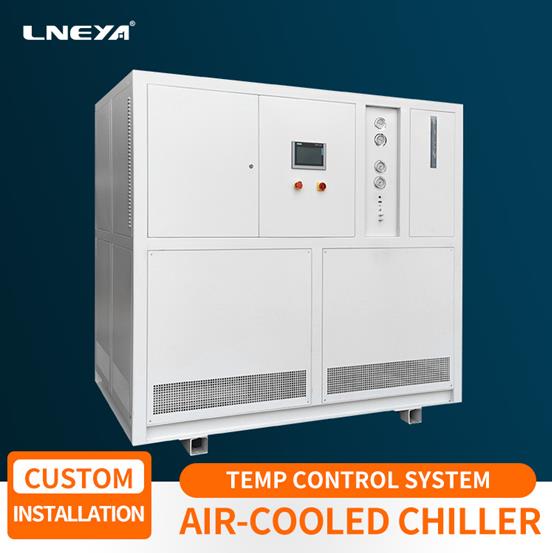
In some cases, equipment problems are
caused by long-term use. Machines, like people, always operate, and problems
are inevitable. There are two types of air-cooled cold water mechanism chemical
reaction kettle refrigeration unit, air-cooled and water-cooled, no matter
which type, in the case of long-term use, the refrigeration system may leak.
But as long as we seize the right time to deal with it, it will not cause any
serious impact.
The air-cooled cold water mechanism
chemical reactor refrigeration unit has entered the air. What we have to think
about is how to vent it?
At this time, it depends on what kind of
refrigeration system it uses. The ammonia refrigeration system is different
from the Freon system.
If it is a Freon system, its bleed
operation steps are as follows: close the condenser or liquid reservoir outlet
valve; start the compressor; stop; let the high-pressure gas escape from the
bypass hole. When the air is exhausted, the screw plug should be tightened, the
exhaust valve stem should be reversely rotated, and the bypass hole should be
closed.
If it is the pharmaceutical reactor
refrigeration unit group of the ammonia refrigeration system, its venting step
is as follows:
When using an air separator to discharge
air, keep the air separator normally open and all other valves should be
closed; the intake valve should be properly opened; the liquid supply valve
should be opened slightly; the air discharge valve interface should be opened
to the water to see the change of rising bubbles in the water. When stopping
the air release, the air release valve should be closed first, in order to
prevent ammonia gas from leaking out, and then close the liquid supply throttle
valve and the mixed gas inlet valve. The purpose of this is to prevent the
pressure in the air vent from rising, and the return valve should not be
closed.
Wuxi Guanya (LNEYA) reminds: In order to
avoid wasting refrigerant, the time of each deflation should not be too long,
and it can be performed multiple times in a row.
Related recommendations
-
What are the effects of the oil separator on the equipment analyzed by the chiller manufacturer
1966Oil separators use more accessories in thechiller refrigeration system. So as users, we need to understand where the mainimpact is in order to better use the equipment.In the configuration of the chiller, theposition of the oil separator is aft...
View details -
How to eliminate the high pressure alarm of the industrial ultra-low temperature freezer?
1767During use, if a fault is not solved in time, it will affect the use of industrial ultra-low temperature freezer. How to solve the problem of high-pressure alarm? If the water-cooled industrial ultra-low temperature freezer presents a high-pressu...
View details -
SUNDI Cooling And Heating System-R & D testing of organic synthetic materials and fine chemicals
2278LNEYA's customer is a research institute engaged in the research, development and production of high-performance, environmentally-friendly new organic materials and fine chemicals.The adhesives produced by customers can be used in integrated circu...
View details -
Refrigeration heating circulator list resonance fault description
2279Refrigeration heating circulator leaderboard works: When the temperature of the reactor, reactor, rotary evaporator, extraction equipment, etc. of the refrigeration heating circulator needs to be rapidly increased or lowered, the equipment can qui...
View details


