 LNEYA Thermo Refrigeration Co.,Ltd


What Is an Industrial Process Chiller?
If your application requires an industrial chiller, you need to know some of the basics, which allows you to utilize it in a better way. This article describes the concepts, principles, types, components, and applications of chillers. Keep reading!
What is a Process Chiller?
A process chiller is a cooling device.It can help you moves heat away from the area you need to cool. It is often used in a variety of processes that require precise temperature control.
Why Industrial Processes Need Precise Cooling?
If your process is very sensitive to temperature, such as chemical reactions, semiconductor processes, etc., then you may need a chiller to help you accurately control the temperature.
Many devices will generate heat after continuous operation. In order to prevent the equipment from being damaged due to overheating, you need a chiller system to help cool it down.
How Does a Chiller Work?
The chiller uses refrigerant to absorb the heat of the secondary coolant, which then exchanges heat with other processes. This process needs the cooperation of the compressor, condenser, expansion valve, and evaporator to complete.
The compressor compresses the gaseous refrigerant. It can increase the pressure and temperature of the refrigerant. At the condenser, the hot refrigerant exchanges heat with the outside world (water or air), and it becomes a liquid.
The expansion valve passage is very narrow. When passing through the expansion valve, refrigerant will go from a small space into a wide space. This will reduce the pressure and temperature of the refrigerant.
The low-temperature liquid refrigerant will absorb heat and evaporate at the evaporator. Finally, the gaseous refrigerant will return to the compressor and circulate. This is the refrigeration cycle.

Key Technical Parameters of Industrial Chillers
When purchasing a chiller, you will encounter many technical terms. Understanding the meaning behind these terms and parameters can help you select equipment that best matches your process requirements. Below are some common parameters.
Chillers Components
The key components of a process chiller include a compressor, condenser, expansion valve and evaporator. In actual use, we will add other components.
Compressor
Compressor: The gaseous refrigerant compressed by the compressor will have a higher temperature and pressure. Common compressors include centrifugal, scroll and screw types.
Condenser
The condenser can cool the compressed refrigerant gas to liquid state. The commonly used condensation methods of air-cooled and water-cooled chillers are different. Air-cooled chillers use fans to blow air to cool down, while water-cooled chillers use cooling water from a cooling tower.
Expansion Valve
The passage of the expansion valve is very narrow, and the pressure and temperature of the liquid refrigerant flowing through the expansion valve will be changed by it. Common expansion valves include electronic expansion valves (EEV)and thermal expansion valves (TXV).
Evaporator
The heat exchange process takes place in the evaporator, where the liquid refrigerant absorbs the heat transferred by the refrigerant and evaporates into gas.
Types of Industrial Chillers
By Condenser Type
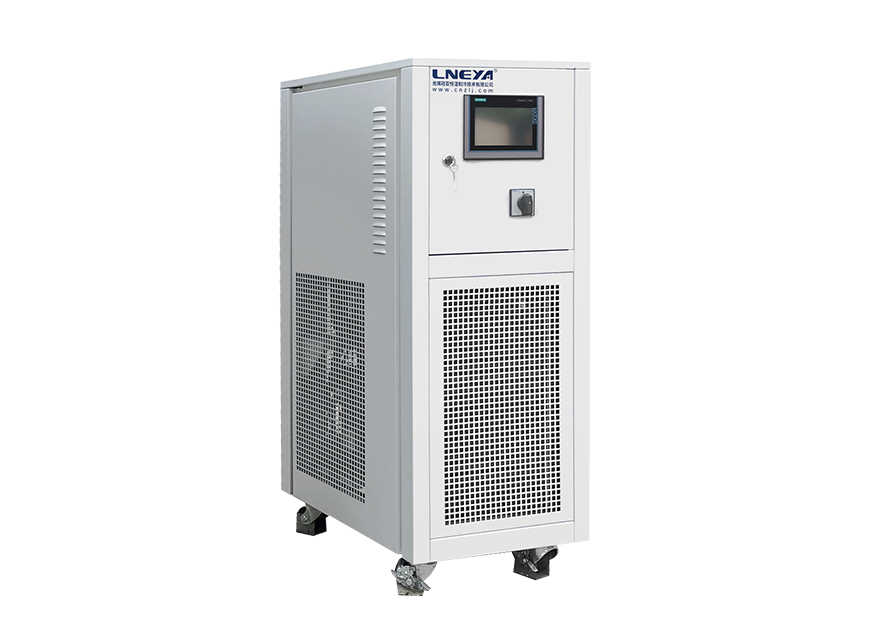
Chillers can be classified into water-cooled and air-cooled types based on the condenser used. Water-cooled chillers use water to absorb the heat of high-temperature refrigerant, so they are generally equipped with water towers, water pumps and pipes. Their overall footprint is often relatively large, but their cooling efficiency is very high.
Fans can cool the temperature of the refrigerant down. It relies on a suitable temperature environment. If the ambient temperature is high, its efficiency will be reduced.

By Compressor Type
According to the type of compressor used, chillers can be divided into screw chillers, scroll chillers, and centrifugal chillers. This chiller uses a screw compressor. It uses a screw rotor to compress the refrigerant. There are two types: water-cooled and air-cooled. They have a large size ,and usually use in large industrial sites.
The scroll chiller uses a scroll compressor, which has two scrolls, a dynamic scroll and a static scroll. It is very small and is often used in small and medium-sized places.
Centrifugal generate centrifugal force by rotating at high speed. They have high speed and power .They are used in some places where require large-scale refrigeration.


Chiller Applications
Chillers are widely used across various industrial processes. Here are some common application scenarios:
Laser Cutting
After continuous operation, the laser and the work head of the laser cutting machine will generate a lot of heat. If the equipment cannot be cooled in time, the equipment will be damaged due to thermal stress, resulting in expensive repair or replacement costs.
Injection Molding
In order to cool the mold quickly and improve the demoulding efficiency of the product and the consistency of the finished product batches, chillers are often used in the injection molding process to control the temperature of the mold.
Semiconductor Testing
In order to test the performance of semiconductor components under different extreme temperatures, manufacturers usually use semiconductor chillers to provide a constant temperature environment.
Chemical Reactions
In order to create the right ambient temperature for different chemical reactions, the researchers used a combination of a chiller and a jacketed reactor.

FAQs
LNEYA Provides All Industrial Chiller Systems For You!
LNEYA has 15+ years of experience in designing and producing chillers. We provide you with higher quality products to help you perfectly cope with various temperature control challenges in the industry.
Want to know more about chillers? Contact us!



Recommended Chillers
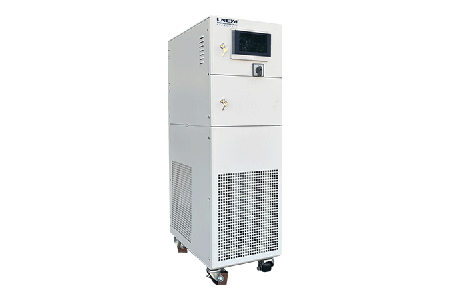
LT 10℃~30℃
chillers machine
cooling capacity 3kW~14kW
circulation pump flow 30L/min 1.6bar~50L/min 2bar
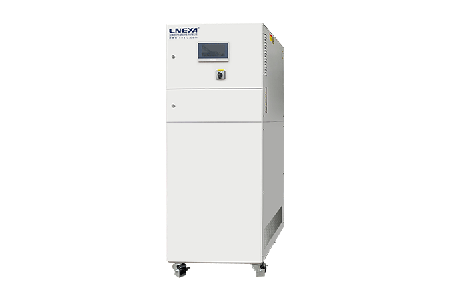
LT -25℃~30℃
cooling circulators
cooling capacity 1kW~5kW
circulation pump flow 30L/min 1.6bar
temperature accuracy ±0.5℃
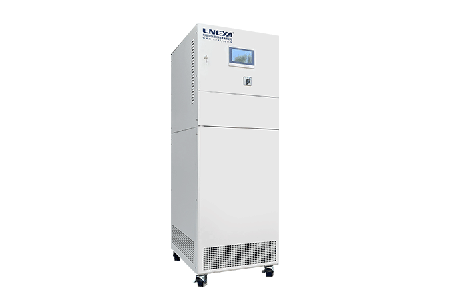
LT -45℃~30℃
precision chillers
cooling capacity 0.7kW~4.8kW
circulation pump flow 30L/min 1.6bar
temperature accuracy ±0.5℃
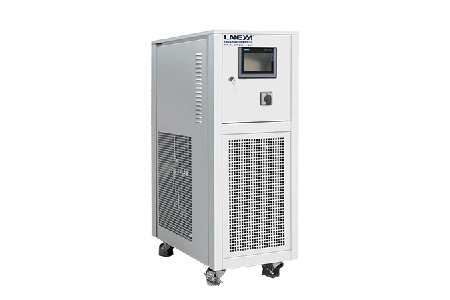
LT -60℃~-30℃
refrigerated circulators
cooling capacity 0.7kW~4.8kW
circulation pump flow 30L/min 1.6bar
temperature accuracy ±0.5℃
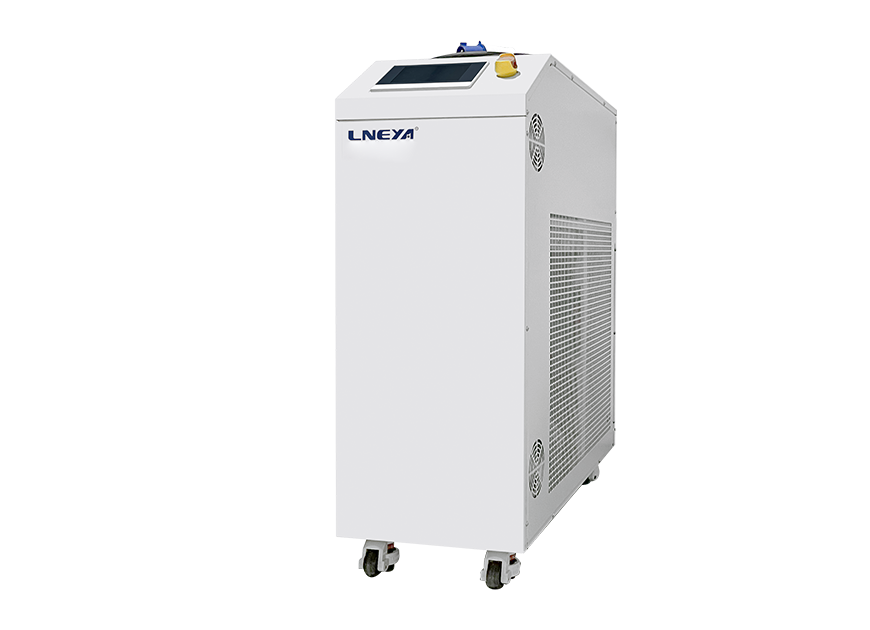
LT -80℃~-40℃
closed loop chillers
cooling capacity 0.4kW~2.5kW
circulation pump flow 30L/min 1.6bar
temperature accuracy ±0.5℃

LT-800 -18~30℃
mini chiller
cooling capacity 0.35kW~0.9kW
circulation pump flow 10L/min 0.6bar
Chiller Videos

Let LNEYA’s technical engineers tell you how to choose
The LNEYA chiller has a temperature control range of 5°C to 35°C, adjustable heat transfer liquid temperature, stable performance, and can work continuously for 24 hours.

LNEYA have many model low temperature chillers


