LNEYA Thermo Refrigeration Co.,Ltd


What is the temperature control of the reactor?

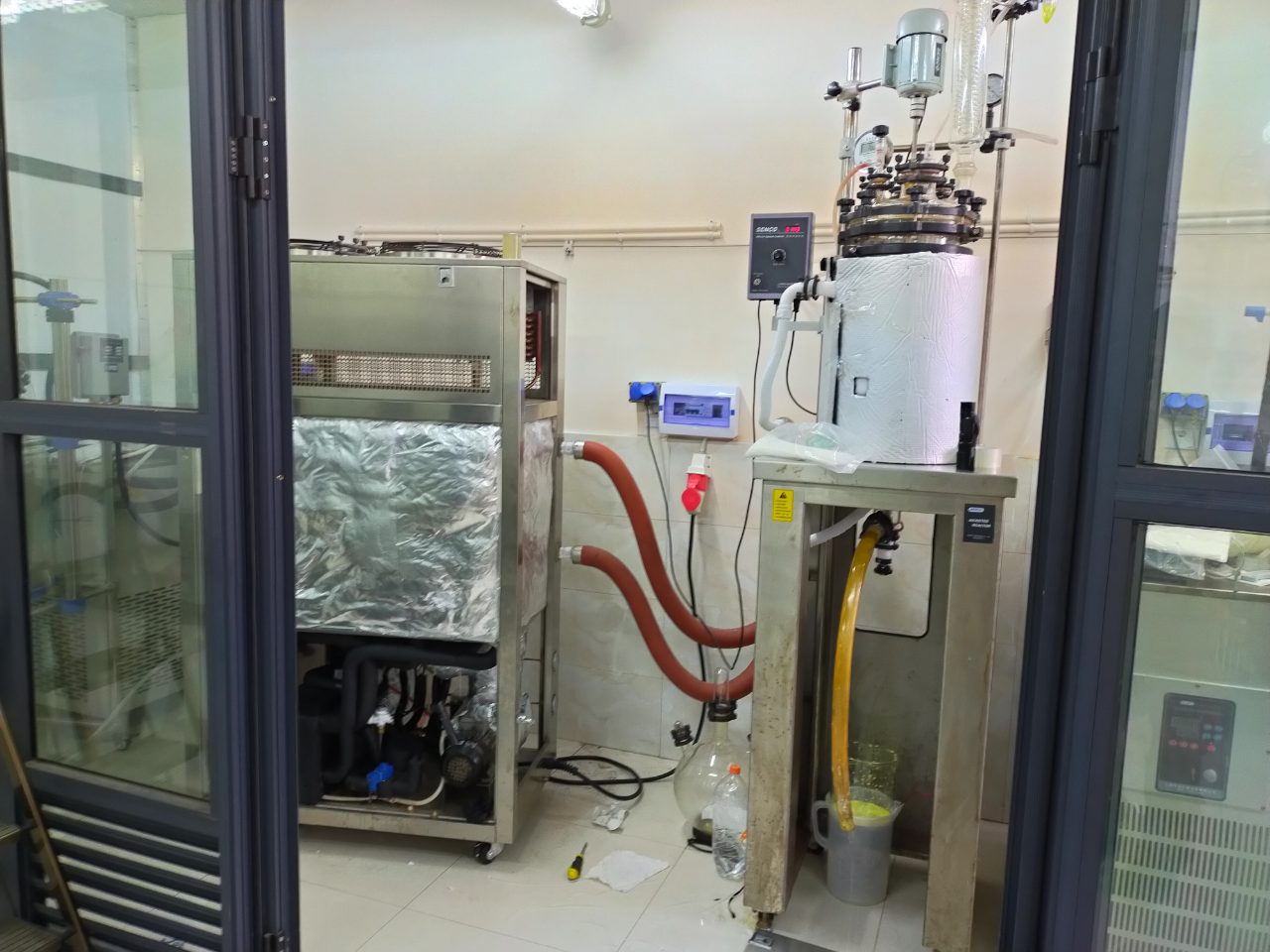
The reactor cooling system is one of the common equipment in the chemical industry. It can not only heat but also refrigerate to meet the needs of heating and cooling in the reaction process.
There are usually three ways to control the temperature of laboratory reactors:
1. Manual control: Manually operate the knob on the front of the reactor controller.
2. Control by PC: The PC and the controller are connected by a network cable, and the operation is carried out on the PC.
3. Controlled by thermostat: Silicone oil is heated through the thermostat, and the thermostat naturally has a temperature control function. Although the thermostat heating limit (usually 250°C) is not as high as that of electric heating (can be as high as 400-500°C), the thermostat rises and falls smoothly, and the low temperature can reach -60/-80°C.
Generally, the cooling system of the laboratory reactor is divided into a tank type and a fully enclosed type. The temperature control of the reactor cooling system mainly relies on the temperature of the heat transfer oil of the reactor jacket to control the temperature of the reactor body and even the materials in the reactor. The disadvantage of the slotted type is that the heat transfer oil cannot be recycled. The more heat transfer medium the reactor needs, the slower the temperature control speed.
For example, the stainless steel reactor needs to be given heating conditions from the outside, which is equivalent to stirring or mixing. Otherwise, the reaction itself will be endothermic or exothermic. Therefore, its temperature change depends on the temperature and flow of the heat transfer oil, and the heat exchange area is the area of the jacket or the surface area of the coil in the kettle. It is cooled and heated by the heat transfer oil in the chiller system. In the process of heating and cooling, it is necessary to control the temperature difference of the tank wall as much as possible. The cold tank heats the material, the hot tank adds the cold material, the jacket or the inner tank lifts the pressure and temperature slowly, which can prevent the product from being affected to a certain extent. Thermal shock.
Our LNEYA laboratory reactor temperature control system belongs to the third type. The temperature control range is from -120 degrees to 350 degrees. It adopts a fully enclosed pipeline design and a high-efficiency plate heat exchanger, which reduces the demand for heat transfer oil, improves the heat utilization rate of the system, and realizes rapid temperature rise and fall. Continuous temperature control can be achieved in the temperature range of minus 90 degrees to 195 degrees and minus 70 degrees to 220 degrees without pressure.
Related recommendations
-
Application of Industrial Freezer Crystallization Technology in Oil Industry
2781This paper mainly introduces the application of industrial refrigeration crystallization technology in the oil and fat industry, as well as the principle of frozen crystallization, the separation method using frozen crystallization technology in t...
View details -
Why do constant temperature and humidity chamber need water cooling units?
1812Constant temperature and humidity chamber need water cooling units mainly for the following key reasons: Accurate temperature and humidity control: Water cooling units can provide efficient and accurate temperature regulation capabilities, which i...
View details -

Manufacturer explains what are the influences of the oil level and oil difference of the chiller?
2356The chiller manufacturer tells everyone that in addition to the refrigeration system, the lubricating oil system is also an important part, with its own oil reservoir and special oil cooler. Therefore, we must understand the influence of the oil l...
View details -

Effect of Temperature on Reactions of Chemical Organic Synthesis
2509Organic synthesis is a common chemical phenomenon in chemistry. Temperature has an important influence on it during the whole synthesis process. As the temperature rises, the heat-absorbing reaction will speed up, resulting in a significant change...
View details