 LNEYA Thermo Refrigeration Co.,Ltd


Differences Between Split Chiller and Integrated Chillers
When engineers discuss cooling systems, the conversation often turns to how the unit is built and where it fits best. Two common designs are split chillers and integrated chillers.
Both handle the same core task, but they differ in structure, installation needs, noise, and cost. Understanding these differences help you avoid mismatched systems that lead to extra expense and frustration.
What Is a Split Chiller?
A split chiller separates the main components. The compressor and condenser are placed outdoors while the evaporator and pump stay indoors. This arrangement reduces the heat load inside the building and makes sense in facilities where indoor space is limited.
By keeping the condenser outdoors, it also avoids raising the temperature in the plant or lab. Split chillers are often chosen in places where noise control matters or where local codes restrict how heat is discharged.
What Is an Integrated Chiller?
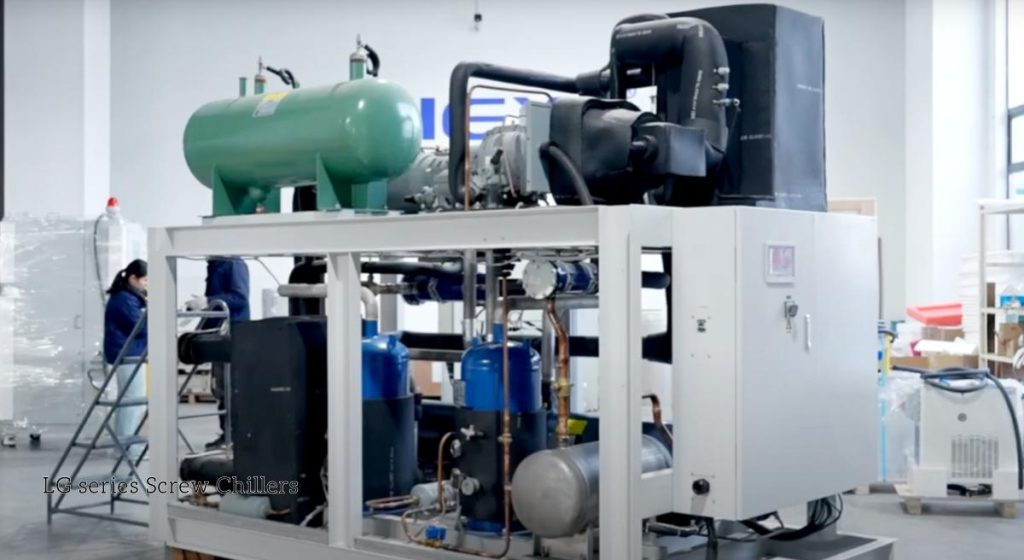
An integrated chiller houses all major parts in a single package. The compressor, condenser, evaporator, and pumps are built together in one frame. This compact design reduces the need for separate piping and electrical connections. Because everything is in one place, integrated chillers are often easier to install and relocate.
They are common in labs, testing rooms, and smaller production lines where users want quick setup and simple maintenance.

What Is the Difference Between Split Chillers and Integrated Chillers?
Structure and Design
A split chiller has a divided layout that keeps the noisy and heat‑producing parts outside. This can be critical in labs or production floors where stable indoor conditions are needed.
An integrated chiller keeps all parts inside one unit. This makes the machine self-contained but also means it releases heat directly into the space unless extra ventilation is added.
Installation and Maintenance
Split chillers need careful planning during installation. Refrigerant lines and water piping must run between indoor and outdoor units. This increases installation time and requires skilled technicians to ensure proper insulation and leak prevention. Maintenance can also mean servicing two locations.
Integrated chillers, by contrast, usually arrive as plug-and-play systems. Once water and power connections are in place, the unit can be started quickly. Servicing is simpler since all parts are in one enclosure, though it may require more downtime because everything is concentrated in one spot.
Noise and Heat
Split chillers push much of the noise outside with the condenser. Indoors, only the pump and evaporator remain, which operate quietly. This design is useful in offices, hospitals, and labs where sound levels are monitored.
Integrated chillers keep all components together, which means higher noise and heat output in the same room. In such cases, users often add soundproofing or ventilation to control the environment.
Cost
The cost difference often comes down to installation. Split chillers may cost more upfront because of the longer piping runs, added labor, and higher service demands. Integrated chillers are less expensive to install since they arrive as a packaged system.
Over time, split chillers may provide savings in energy if the outdoor condenser works in cooler ambient air. Integrated units may cost more to operate in warm indoor spaces since the condenser works against higher room temperatures.
Applications
Split chillers are seen in hospitals, semiconductor plants, and chemical labs where heat and noise must stay outside the workspace. Integrated chillers are more common in mobile labs, pilot plants, and smaller factories where simplicity and compact design are the priority. Both serve industrial cooling but fit into different environments depending on user needs.
How to Choose?
The right choice depends on where the chiller will run and what conditions the site demands. If the space is tight but has outdoor access, a split system can keep heat and noise away from operators. If quick setup and easy relocation matter more, an integrated chiller is often the better match.
You should weigh the long-term energy use, the frequency of service, and the noise limits of their facility. Speaking with a supplier about real site conditions often prevents costly mistakes.
Conclusion
Choosing the right one comes down to balancing space, cost, and operating needs. With a clear view of these factors, you can invest in a cooling solution that works smoothly for years.
LNEYA offers various types of split and integrated chillers. If our standard models do not meet your needs, customized solutions are also available.

Recent Blogs
- LNEYA, 칭화대학교와 고출력 칩 열관리 핵심기술 공동연구 협력 체결
- LNEYA at ASPS 2026 | Advanced Semiconductor Packaging & Chiplet Show Korea
- What Does a 200 Ton Chiller Cost
- Temperature Control in Photolithography
- Is a Used Chiller a Good Idea
- Chiller Components and Refrigeration Fundamentals Guides
- Chiller Types and Selection Guides
- How Does a Peltier Cooler Work
Catalog
- 2026년 9월
- 2026년 6월
- 2025년 12월
- 2025년 11월
- 2025년 10월
- 2025년 9월
- 2025년 8월
- 2025년 7월
- 2025년 6월
- 2025년 5월
- 2025년 3월
- 2025년 2월
- 2025년 1월
- 2024년 12월
- 2024년 11월
- 2024년 10월
- 2024년 9월
- 2024년 8월
- 2024년 7월
- 2024년 6월
- 2024년 5월
- 2024년 4월
- 2024년 3월
- 2024년 2월
- 2023년 9월
- 2023년 7월
- 2023년 6월
- 2023년 5월
- 2023년 1월
Tag
air cooled chiller chiller Chiller Installation Chiller Maintenance chiller refrigerant chillers Cold Assembly Freezer cooling chiller cooling heating system cooling system dynamic temperature control system energy efficient chiller explosion-proof chiller freezer heating circulator industrial chiller industrial chillers industrial cooling industrial freezer industrial refrigerator jacket reactor laboratory chiller low temperature chiller news oil chiller process chiller process cooling reactor chiller reactor cooling reactor cooling heating reactor heating cooling refrigerated circulator screw chiller semiconductor chiller semiconductor test chiller sundi tcu temperature control test chamber thermostat ultra low temperature chiller vehicle test chiller water chiller water cooled chiller
Contact Us
Related Chillers



CONTACT US
TEL:
EMAIL:
WeChat & WhatsApp:

Wechat QR

Have a question or need a quote? Fill out the form below, and our team will get back to you within 24 hours.


