 LNEYA Thermo Refrigeration Co.,Ltd


Portable Chillers VS. Central Chillers
Portable chillers and central chillers both cool processes, but they operate in completely different ways. Picking the right one means fewer surprises and less downtime. This article walk through the practical differences you will feel on the floor.
Definition
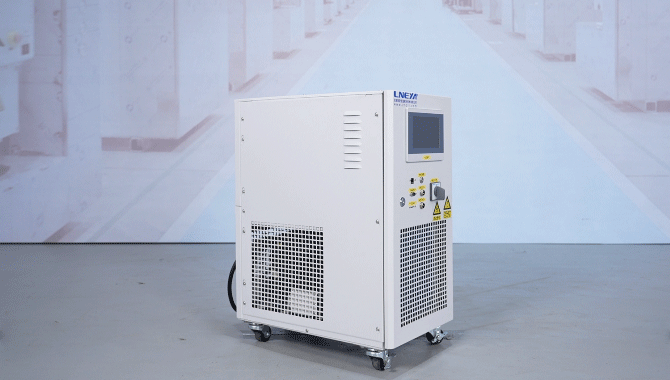
A portable chiller is a self contained unit. It usually sits next to the machine it serves. You plug it in, connect hoses, and it runs. A central chiller is a plant level system. It feeds a distribution loop that serves many machines. It lives in a mechanical room or outside. Both remove heat but the scale and plumbing are not the same.

Cooling Capacity
Portable chillers work well for small to medium loads. They are sized for one process or one line. Central chillers handle bigger loads and multiple users. If you need tens or hundreds of tons, central is the practical option.
Portable units respond fast. Central plants handle sustained, large heat loads more efficiently. Think about your peak and average loads before you choose.
Installation and Footprint
A portable chiller needs little planning. Place it, hook up hoses, and start testing. No major piping work is required. Central chillers require piping mains, pumps, and sometimes cooling towers. Installation can take weeks.
The footprint for a central plant is larger. It often needs a dedicated mechanical space. If you cannot afford long install windows, portable units win. If you are building new capacity for a whole plant, central systems usually make more sense.
Flexibility
Flexibility is where portable chillers shine. You can move them between lines. You can add or remove capacity quickly. They are perfect for pilot plants and job shops. Central chillers are less flexible. Once the loop is built, reconfiguration is costly. However central systems provide uniform cooling conditions for all tied in equipment. That matters when repeatability is critical.
Noise
Portable chillers operate near the user. Even modern units make noise. That can be distracting in labs and light manufacturing areas. Central chillers sit away from operators. The sound stays in the mechanical room or outdoors. If your workspace needs low noise, central is better. If you place portable units in an isolated corner, you can reduce the impact.
Cost
Portable chillers cost less up front. You buy what you need today. The downside is that buying many portable units adds up. Central chillers cost more at the start. You pay for equipment, piping, and installation. Over time a central plant often has lower energy cost per ton. The total cost of ownership depends on how many machines you serve and how long you run them.
Maintenance
With portable chillers each unit is independent. If one unit needs service only one process gets affected. That can be an advantage in mixed use facilities. The drawback is more units to maintain and more spare parts to stock.
Central chillers concentrate maintenance in one place. Fewer machines to check, but a single failure can impact the whole plant. For critical operations design redundancy into the central system.
Applications
Portable chillers fit labs, pilot lines, rental fleets, and small production cells. They suit places that change process layouts often.
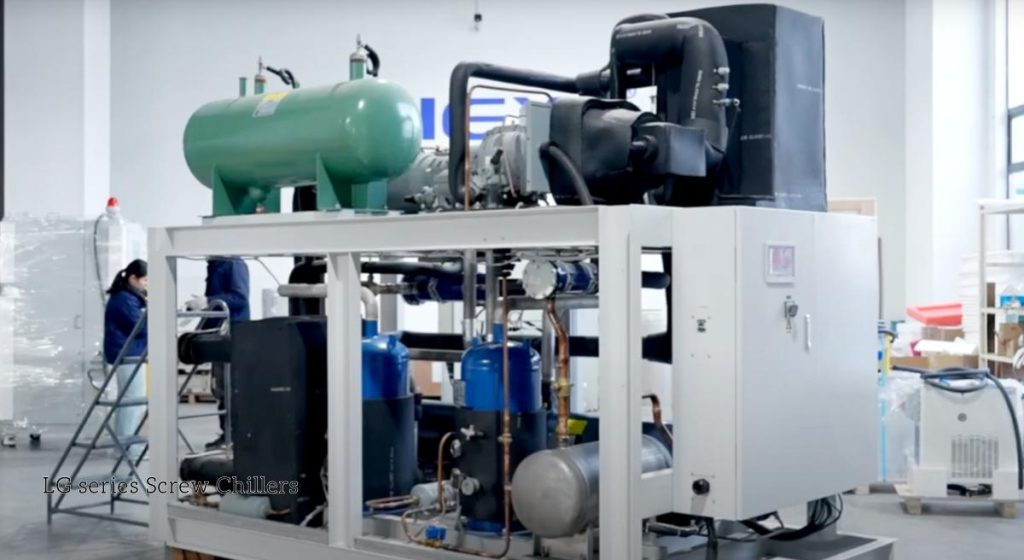
Central chillers serve factories, hospitals, large data centers, and campuses. They excel where many machines share the same cooling needs and where uptime is essential. Choose by scale and how stable your production layout is.
Conclusion
Looking for the right portable or central chiller? LNEYA offers free technical support to help you design the most cost-effective system configuration. Already have your preferred configuration and need a quote? Our team can provide you with a detailed quote within just 30 minutes of receiving your request.
Discuss your temperature control needs with our chiller experts today!

Recent Blogs
- LNEYA, 칭화대학교와 고출력 칩 열관리 핵심기술 공동연구 협력 체결
- LNEYA at ASPS 2026 | Advanced Semiconductor Packaging & Chiplet Show Korea
- What Does a 200 Ton Chiller Cost
- Temperature Control in Photolithography
- Is a Used Chiller a Good Idea
- Chiller Components and Refrigeration Fundamentals Guides
- Chiller Types and Selection Guides
- How Does a Peltier Cooler Work
Catalog
- 2026년 9월
- 2026년 6월
- 2025년 12월
- 2025년 11월
- 2025년 10월
- 2025년 9월
- 2025년 8월
- 2025년 7월
- 2025년 6월
- 2025년 5월
- 2025년 3월
- 2025년 2월
- 2025년 1월
- 2024년 12월
- 2024년 11월
- 2024년 10월
- 2024년 9월
- 2024년 8월
- 2024년 7월
- 2024년 6월
- 2024년 5월
- 2024년 4월
- 2024년 3월
- 2024년 2월
- 2023년 9월
- 2023년 7월
- 2023년 6월
- 2023년 5월
- 2023년 1월
Tag
air cooled chiller chiller Chiller Maintenance chillers Cold Assembly Freezer cooling chiller dynamic temperature control system energy efficient chiller heating circulator industrial chiller industrial chillers industrial cooling industrial freezer industrial refrigerator jacket reactor laboratory chiller low temperature chiller news process chiller process cooling reactor cooling reactor heating cooling refrigerated circulator screw chiller semiconductor chiller semiconductor test chiller sundi tcu temperature control test chamber thermostat ultra low temperature chiller vehicle test chiller water chiller water cooled chiller
Contact Us
Related Chillers



CONTACT US
TEL:
EMAIL:
WeChat & WhatsApp:

Wechat QR

Have a question or need a quote? Fill out the form below, and our team will get back to you within 24 hours.


