 LNEYA Thermo Refrigeration Co.,Ltd


How Semiconductor Chillers Improve Reliability in Chip Testing
Engineers in any semiconductor lab know that a single unstable test can set projects back weeks. Chip testing isn’t only about proving if a design works. It’s about showing that the chip will survive in the real world—where heat, voltage, and time never take a break. Reliability here is everything. And that reliability depends heavily on stable thermal control. That’s where semiconductor chillers come in.
What Is Chip Testing and Why Do It?
Chip testing, or semiconductor testing, is where design claims get measured against real conditions. Engineers drive integrated circuits into scenarios that stretch them to the limit. These aren’t casual checks. Tests look for hidden flaws, early-life failures, and the endurance of a chip over time.
Different test stages reveal different truths. Wafer probing identifies defects before packaging. Burn-in testing runs chips under elevated temperatures and voltages to weed out weak ones. System-level testing replicates how chips behave inside real devices.
The goal is clear: confirm that chips can handle years of operation without breakdowns. Without this process, products would hit the market full of risk. Chip testing saves manufacturers from recalls and users from unreliable devices.
Thermal control is one of the toughest challenges in all these steps. Even small swings in temperature distort electrical performance and mask real behavior. Reliable results only come when the environment itself is locked down. That’s where specialized cooling, not generic lab air systems, becomes essential.
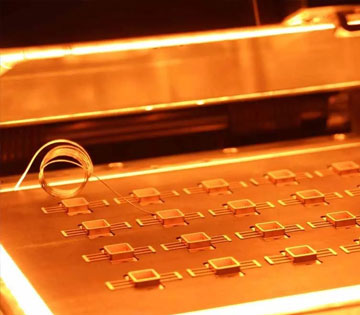
Why Semiconductor Chillers Matter in Chip Testing?
Imagine you’re using a new processor. The chip is drawing heavy current, and the setup heats fast. Without active cooling, the device doesn’t just run hot—it gives false data. You may think a design is failing, when in fact the issue is uncontrolled heat. A semiconductor chiller stabilizes this environment, keeping temperature steady during hours or even days of testing.
Precision Cooling
Standard HVAC systems just aren’t built for this job. Air systems fluctuate too much and can’t reach the low setpoints needed. Semiconductor chillers, on the other hand, can hold temperature within fractions of a degree. That stability ensures the only variable under test is the chip—not the room conditions.
Protecting Test Equipment
Chillers don’t just protect chips; they protect the tools around them. Test rigs, probe stations, and laser systems generate heat too. If left unchecked, that heat shortens equipment life and introduces noise into results. With a dedicated cooling loop, semiconductor chillers keep both the chip and the instruments safe, avoiding costly downtime.

Matching Extreme Test Profiles
Modern chips face more demanding use cases than ever—AI workloads, automotive electronics, 5G base stations. These applications push devices to run hotter for longer. Testing them means simulating those stress conditions.
Semiconductor chillers can ramp cooling quickly, follow dynamic test profiles, and switch between heating and cooling when thermal cycling is required. Standard lab coolers can’t keep up with this pace.
Stability Makes Reliability Possible
A chip might pass functional checks but fail later in the field. Many of those failures trace back to unreliable testing environments. By holding temperature rock steady, chillers remove uncertainty from the equation. This gives chip makers and their customers confidence that the results they see in the lab will hold true in the market.
Conclusion
If your team is pushing chips through demanding test programs, don’t leave thermal control as an afterthought. Semiconductor chillers give engineers the high-precision temperature control they need to make the testing reliable.
Talk to a supplier that specializes in semiconductor chillers and understands the stakes — LNEYA team consistently provides you with reliable semiconductor test temperature control solutions.

Recent Blogs
- LNEYA, 칭화대학교와 고출력 칩 열관리 핵심기술 공동연구 협력 체결
- LNEYA at ASPS 2026 | Advanced Semiconductor Packaging & Chiplet Show Korea
- What Does a 200 Ton Chiller Cost
- Temperature Control in Photolithography
- Is a Used Chiller a Good Idea
- Chiller Components and Refrigeration Fundamentals Guides
- Chiller Types and Selection Guides
- How Does a Peltier Cooler Work
Catalog
- 2026년 9월
- 2026년 6월
- 2025년 12월
- 2025년 11월
- 2025년 10월
- 2025년 9월
- 2025년 8월
- 2025년 7월
- 2025년 6월
- 2025년 5월
- 2025년 3월
- 2025년 2월
- 2025년 1월
- 2024년 12월
- 2024년 11월
- 2024년 10월
- 2024년 9월
- 2024년 8월
- 2024년 7월
- 2024년 6월
- 2024년 5월
- 2024년 4월
- 2024년 3월
- 2024년 2월
- 2023년 9월
- 2023년 7월
- 2023년 6월
- 2023년 5월
- 2023년 1월
Tag
air cooled chiller chiller Chiller Installation Chiller Maintenance chiller refrigerant chillers Cold Assembly Freezer cooling chiller cooling heating system cooling system dynamic temperature control system energy efficient chiller explosion-proof chiller freezer heating circulator industrial chiller industrial chillers industrial cooling industrial freezer industrial refrigerator jacket reactor laboratory chiller low temperature chiller news oil chiller process chiller process cooling reactor chiller reactor cooling reactor cooling heating reactor heating cooling refrigerated circulator screw chiller semiconductor chiller semiconductor test chiller sundi tcu temperature control test chamber thermostat ultra low temperature chiller vehicle test chiller water chiller water cooled chiller
Contact Us
Related chillers



CONTACT US
TEL:
EMAIL:
WeChat & WhatsApp:

Wechat QR

Have a question or need a quote? Fill out the form below, and our team will get back to you within 24 hours.


