 LNEYA Thermo Refrigeration Co.,Ltd


Precision AC VS Commercial AC:What is the Difference
When people talk about air conditioning, most imagine the commercial units that keep offices, stores, or homes comfortable. Those systems work fine when the goal is general comfort.
But in data centers, laboratories, and other mission-critical spaces, a different kind of cooling is required. That is where precision AC, sometimes called precision air conditioning or PAC, comes in. Knowing how the two systems diverge helps you choose the right cooling strategy for your facility.
Basic Definitions
A commercial AC is designed for comfort cooling. Its job is to keep people comfortable in offices, retail floors, or residential spaces. These systems adjust temperature broadly, often with a tolerance of a few degrees, which is perfectly acceptable when cooling people.
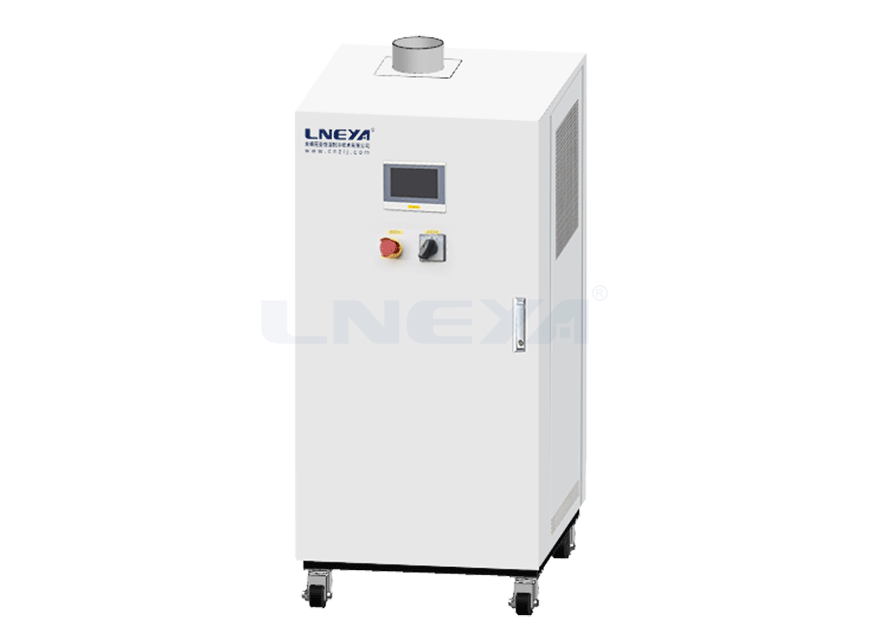
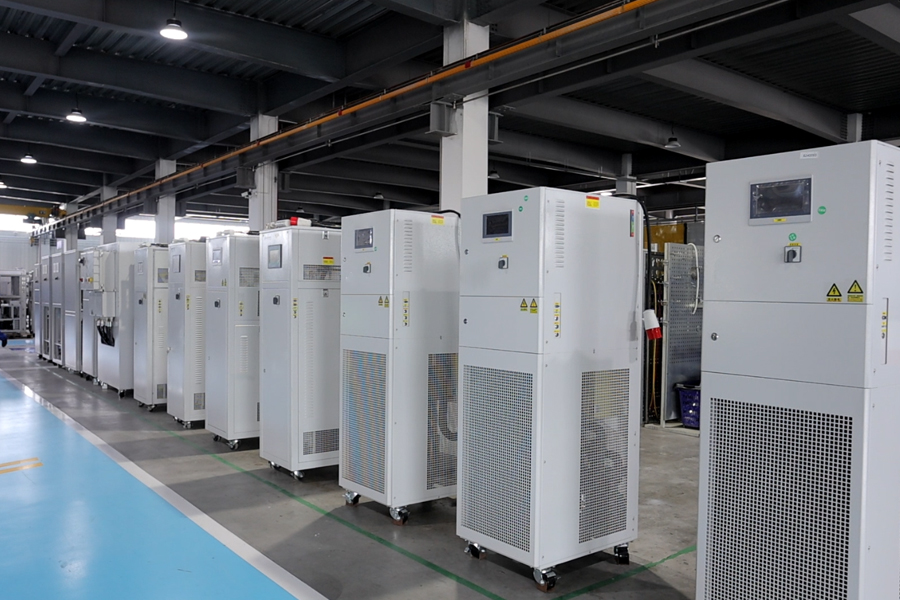
A precision air conditioner does something more demanding. It is built for equipment, not people. A PAC maintains constant temperature and humidity levels, often within a fraction of a degree or percent.
People describe it as constant-temperature and constant-humidity air conditioning. In other words, where a commercial unit focuses on comfort, a precision AC focuses on stability.
Design Purpose
Commercial AC units are optimized for short daily peaks.Precision AC units are designed with a different mission. They run 24/7, 365 days a year, often in rooms where even small fluctuations can cause failures.
A data center cannot afford a 5℃ swing. A pharmaceutical lab cannot tolerate humidity drifting out of range. A precision air conditioner is not just cooling air, it is protecting processes and data.
Control Systems and Accuracy
Commercial AC relies on standard thermostats and basic humidity control. If the system overshoots by a few degrees, nobody notices.
Precision AC uses advanced microprocessor controls. Sensors constantly track air temperature, return air, supply air, and humidity. Adjustments happen in real time, often within seconds. Precision air conditioning can hold setpoints within ±1°℃ and ±1% relative humidity, something a standard comfort system simply cannot achieve.
Air Filtration Efficiency
In most commercial environments, air filtration is basic. The filters catch dust and pollen, which is enough for human comfort.
In contrast, precision AC often integrates high-efficiency filters to protect sensitive equipment. Electronics, lab instruments, and cleanroom processes cannot be exposed to fine particles. That is why PAC systems are usually paired with better filtration stages and airflow management. The design ensures not only steady temperature but also clean air around sensitive equipment.
Purchase and Operating Costs
It is true that a precision air conditioner costs more upfront. Certified components, advanced controls, and continuous-duty design increase the price. Operating costs can also be higher because the unit is built to run without pause, often with redundancy.
But our engineers remind customers to consider the total cost of ownership. A commercial AC that fails in a data center could mean millions in downtime. In comparison, the added cost of a PAC is a form of insurance. Over time, the investment pays back by preventing outages and protecting assets.
Application Differences
Commercial AC belongs in offices, retail buildings, schools, and residential spaces. The mission is human comfort, not technical precision.
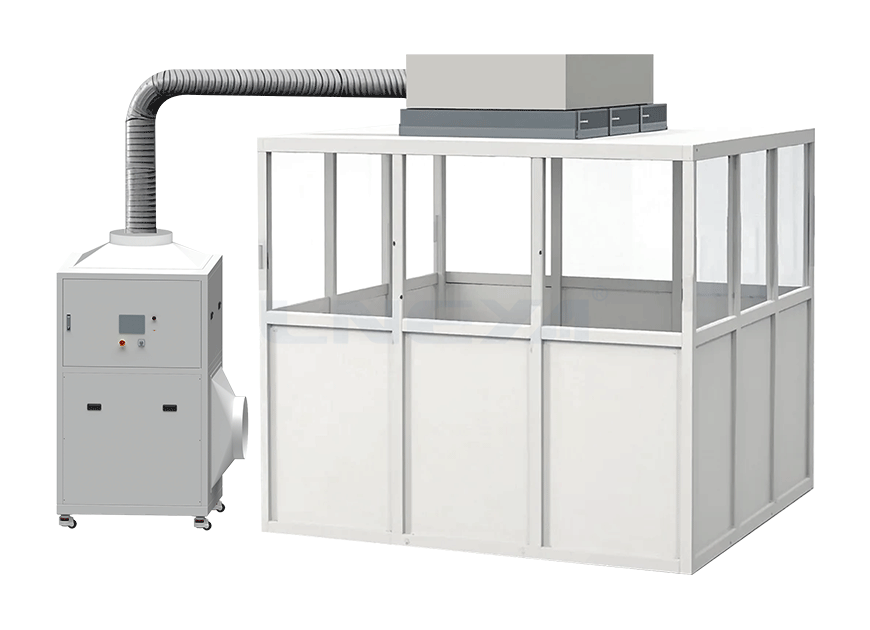
Precision AC belongs in environments where equipment or processes require strict control. The projects include data centers, telecom shelters, medical imaging rooms, semiconductor facilities, and high-end manufacturing labs. In these spaces, even a small deviation in temperature or humidity can cause serious damage. A spot cooling solution is added to target specific hot zones within these facilities, something a comfort unit cannot do.
Conclusion
Both commercial AC and precision AC have their place. One is designed to keep people comfortable. The other is designed to keep equipment and processes safe. If your facility depends on stable conditions, a precision air conditioner is the right choice.
Our experts at LNEYA have worked with PAC systems across industries, from data centers to chemical plants. Contact us today to discuss how a precision AC solution can protect your operation.

Recent Blogs
- LNEYA, 칭화대학교와 고출력 칩 열관리 핵심기술 공동연구 협력 체결
- LNEYA at ASPS 2026 | Advanced Semiconductor Packaging & Chiplet Show Korea
- What Does a 200 Ton Chiller Cost
- Temperature Control in Photolithography
- Is a Used Chiller a Good Idea
- Chiller Components and Refrigeration Fundamentals Guides
- Chiller Types and Selection Guides
- How Does a Peltier Cooler Work
Catalog
- 2026년 9월
- 2026년 6월
- 2025년 12월
- 2025년 11월
- 2025년 10월
- 2025년 9월
- 2025년 8월
- 2025년 7월
- 2025년 6월
- 2025년 5월
- 2025년 3월
- 2025년 2월
- 2025년 1월
- 2024년 12월
- 2024년 11월
- 2024년 10월
- 2024년 9월
- 2024년 8월
- 2024년 7월
- 2024년 6월
- 2024년 5월
- 2024년 4월
- 2024년 3월
- 2024년 2월
- 2023년 9월
- 2023년 7월
- 2023년 6월
- 2023년 5월
- 2023년 1월
Tag
air cooled chiller chiller Chiller Maintenance chillers Cold Assembly Freezer cooling chiller dynamic temperature control system energy efficient chiller heating circulator industrial chiller industrial chillers industrial cooling industrial freezer industrial refrigerator jacket reactor laboratory chiller low temperature chiller news process chiller process cooling reactor cooling reactor heating cooling refrigerated circulator screw chiller semiconductor chiller semiconductor test chiller sundi tcu temperature control test chamber thermostat ultra low temperature chiller vehicle test chiller water chiller water cooled chiller
Contact Us
Related Chillers



CONTACT US
TEL:
EMAIL:
WeChat & WhatsApp:

Wechat QR

Have a question or need a quote? Fill out the form below, and our team will get back to you within 24 hours.


