 LNEYA Thermo Refrigeration Co.,Ltd


What is the Difference Between Indoor Chiller and Outdoor Chiller
When you size a cooling system, the first question shouldn’t be brand or price. It should be: where will this chiller live? Choosing between an indoor chiller and an outdoor chiller changes how you plan piping, foundations, noise control, and long-term maintenance.
Installation Location
An indoor chiller typically goes into a mechanical room or a dedicated plant area. That lets you control the environment. You can manage humidity, provide service lighting, and route piping conveniently. Indoor chillers are often water-cooled units tied to a cooling tower or a condenser loop.
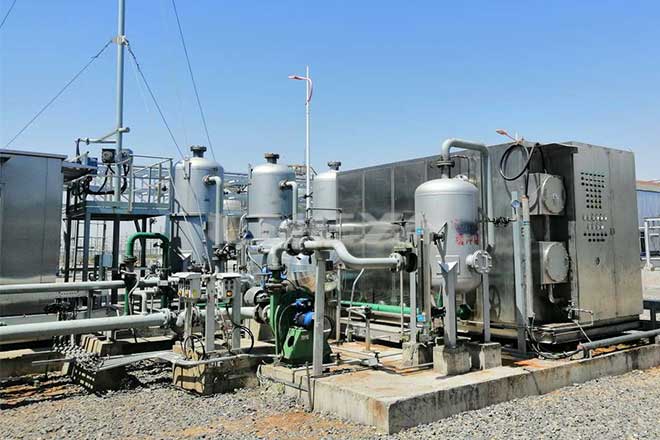
An outdoor chiller is typically installed on a rooftop or concrete pad and is often air-cooled with weatherized enclosures and large fans. While it frees indoor floor space, it requires careful consideration of structural load-bearing, vibration isolation, and rooftop mounting hardware.
Piping also changes. Longer chilled-water runs and higher pump heads are common when the machine is outside, and insulation becomes more critical to keep losses down. The unit also demands enhanced weatherproofing, corrosion-resistant coatings, and reliable drainage to withstand environmental exposure.
From our experience, this choice is often constrained by available space. If you have a crowded plant floor, an outdoor chiller is tempting. If you’re renovating an existing building, an indoor chiller can avoid the cost and permits for roof work.

Space Requirements
Space is where budgets collide with reality. An indoor installation requires a plant room sized for service clearances. You need room to pull compressors and replace heat exchangers. Don’t skimp on access. We’ve seen projects where the chiller fit the floor footprint but not the service pathway—then the first compressor replacement became a week-long headache.
Outdoor chillers free up valuable indoor real estate. But they need a clear envelope on the roof or yard. Rooftop units demand a structural review. You also need crane access for installation. And while the unit itself may be compact, leave space for airflow and maintenance walkways.
A practical tip: plan from the service door inward. If a part can’t be removed without a forklift, you’ll pay for it later.

Noise & Vibration
Noise is often the first real complaint after a new unit goes online. Outdoor chillers generate fan and compressor noise that can carry across courtyards and into office windows. If you plan a rooftop unit near occupied spaces, add acoustic screens or choose low-noise fans.
Indoor chillers let you isolate sound inside a mechanical room. That makes it easier to meet decibel requirements in sensitive facilities like hospitals or labs. But remember: indoor units still transmit vibration through building structure. Proper mounts and vibration isolators are a must, not an optional extra.
Some users once specified a rooftop air-cooled chiller and underestimated reflected noise from nearby glass. They added an acoustic baffle and the complaints stopped. Small details like that matter.
Maintenance & Accessibility
If a technician can reach the unit in normal work clothes, it will get serviced regularly. That’s why accessibility beats theoretical reliability every time.
Indoor chillers usually win here. They sit in a clean, lighted space. Parts are protected from snow and sun. Outdoor chillers are out of the weather, but they can be awkward to reach in a storm or at night. Lockout/tagout locations also change. You don’t want techs carrying heavy parts through production areas or sterile labs.
Also consider spare parts staging. For indoor chillers, spares can live next to the unit. For rooftop outdoor chillers, parts may stay in a shipping area or on ground level, adding time to repairs.
Cost Considerations
Initial cost and life-cycle cost diverge quickly. An outdoor air-cooled chiller often costs less to install because it needs no cooling tower or indoor plant room. But in hot climates, air-cooled units work harder and use more electricity during peak months.
Indoor water-cooled chillers can be more efficient year-round, but they require a cooling tower, pumps, and space. That raises upfront cost and mechanical complexity. Over ten years, those pumps and towers need maintenance too.
Our engineers tell clients to run a simple payback model that includes expected utility rates and preventive maintenance. The cheapest install is seldom the cheapest option five years in.
Environmental Adaptability
Climate and site conditions push one option over the other. In cold regions, outdoor chillers require freeze protection and winter operation controls. In dusty or coastal sites, outdoor units need harsher coatings and more frequent coil cleaning. Indoor chillers thrive where you can give them clean air and steady temperatures.
Also think about redundancy. If your process is critical, splitting capacity between indoor and outdoor units can safeguard against local weather events or maintenance downtime.
Conclusion
At LNEYA we design chillers to match real conditions, not just lab specs. We provide air-cooled chillers and water-cooled chillers for rooftop duty and indoor plant rooms. We also offer hybrid solutions, low-temperature chillers, and heat recovery options when a site needs more than basic cooling.
If you want an honest breakdown for your site—space, noise, maintenance, and life-cycle cost, our engineers will run the numbers and show you the trade-offs.
Reach out and we’ll put real-world performance into your specification.

Recent Blogs
- LNEYA, 칭화대학교와 고출력 칩 열관리 핵심기술 공동연구 협력 체결
- LNEYA at ASPS 2026 | Advanced Semiconductor Packaging & Chiplet Show Korea
- What Does a 200 Ton Chiller Cost
- Temperature Control in Photolithography
- Is a Used Chiller a Good Idea
- Chiller Components and Refrigeration Fundamentals Guides
- Chiller Types and Selection Guides
- How Does a Peltier Cooler Work
Catalog
- 2026년 9월
- 2026년 6월
- 2025년 12월
- 2025년 11월
- 2025년 10월
- 2025년 9월
- 2025년 8월
- 2025년 7월
- 2025년 6월
- 2025년 5월
- 2025년 3월
- 2025년 2월
- 2025년 1월
- 2024년 12월
- 2024년 11월
- 2024년 10월
- 2024년 9월
- 2024년 8월
- 2024년 7월
- 2024년 6월
- 2024년 5월
- 2024년 4월
- 2024년 3월
- 2024년 2월
- 2023년 9월
- 2023년 7월
- 2023년 6월
- 2023년 5월
- 2023년 1월
Tag
air cooled chiller chiller Chiller Maintenance chillers Cold Assembly Freezer cooling chiller dynamic temperature control system energy efficient chiller heating circulator industrial chiller industrial chillers industrial cooling industrial freezer industrial refrigerator jacket reactor laboratory chiller low temperature chiller news process chiller process cooling reactor cooling reactor heating cooling refrigerated circulator screw chiller semiconductor chiller semiconductor test chiller sundi tcu temperature control test chamber thermostat ultra low temperature chiller vehicle test chiller water chiller water cooled chiller
Contact Us
Related Chillers



CONTACT US
TEL:
EMAIL:
WeChat & WhatsApp:

Wechat QR

Have a question or need a quote? Fill out the form below, and our team will get back to you within 24 hours.


