 LNEYA Thermo Refrigeration Co.,Ltd


How to Upgrade an Old Chiller to Improve Efficiency
If you’ve been running the same chiller for years, you might have noticed it’s not quite the workhorse it used to be. Maybe the power bill keeps creeping up. Maybe the supply temperature drifts more than it should. Or maybe you’ve had to call the service tech one too many times this year.
An aging chiller doesn’t just cost more to operate — it can put your production schedule, product quality, and even workplace safety at risk. The good news? You don’t always need to replace it entirely. With the right approach, a chiller upgrade can bring new life to an old system and improve efficiency far beyond what you might expect.
Common Problems with Old Chillers
Before talking solutions, let’s look at why older chillers lose their edge over time.
Energy Efficiency Drops
It’s normal for efficiency to decline as components wear. Bearings loosen. Heat exchanger surfaces foul. Control logic gets outdated. A chiller that once ran at peak performance might now be drawing more kilowatts for the same ton of cooling.
Temperature Control Becomes Unstable
When sensors drift out of calibration or valves stick, it becomes harder to maintain tight temperature tolerances. For industries like pharmaceuticals or electronics, that’s more than an inconvenience — it’s a production risk.
Frequent Breakdowns
Old chillers often suffer from recurring failures. Pumps, compressors, and fans have finite life spans. Once a unit reaches a certain age, the downtime costs can outweigh the repair costs.
Outdated Refrigerants
We still run into chillers that use R22 or other refrigerants that have been phased out for years. If yours is one of them, you already know the drill — the refrigerant is expensive, harder to get every year, and there’s always that worry about compliance. In some cases, the cost of a recharge is almost as much as a small retrofit project. It’s not just an environmental issue anymore; it’s an operational headache.
No Connectivity for Modern Systems
Another thing with older units is how “disconnected” they feel compared to today’s systems. A lot of them were built before IoT or building automation became standard.
That means no remote monitoring, no quick way to check performance trends, and no alerts before something goes wrong. You end up finding out there’s a problem when production slows or stops — not exactly the kind of predictive maintenance anyone wants.

Why Upgrade Your Chiller Instead of Just Replacing It?
Upgrading can be a smart middle ground between doing nothing and buying a whole new system.
Boost Efficiency
Modern components — from high-efficiency compressors to EC fans — can cut energy use significantly. Even a partial retrofit can pay for itself quickly in reduced utility bills.
Extend Equipment Life
An upgrade chiller project can add years to the life of your system. By replacing the parts under the most stress, you can delay the big capital expense of a full replacement.
Improve Temperature Control
Upgraded controls and sensors help maintain stable process temperatures, even when loads change quickly. This is especially important for sensitive manufacturing processes.
Increase Safety and Sustainability
Switching to low-GWP refrigerants and adding better leak detection improves safety for your staff and reduces environmental impact. It also keeps you ahead of tightening regulations.
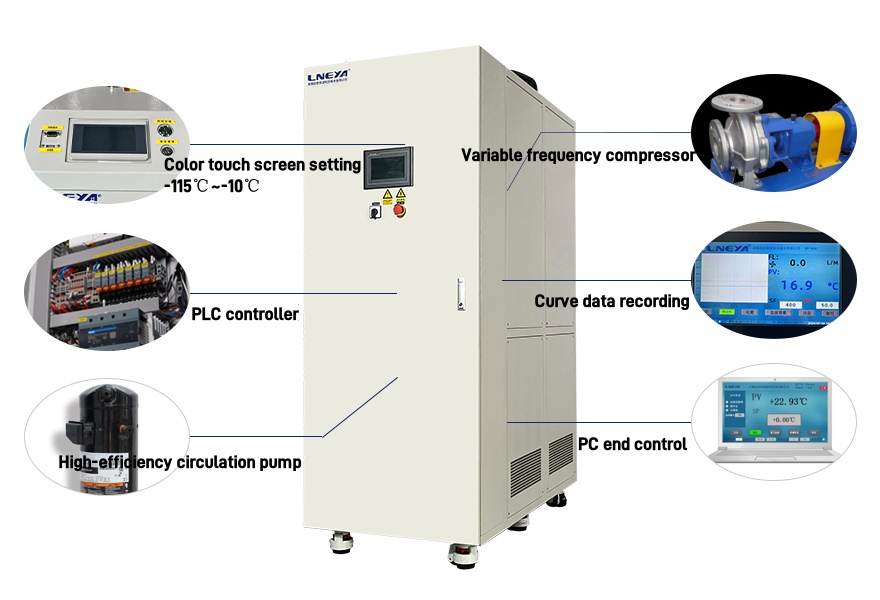
How to Upgrade an Old Chiller for Better Performance?
Not all chiller upgrades look the same. The right approach depends on your budget, your system’s age, and your performance goals.
Replace Critical Components
Sometimes the biggest efficiency gains come from swapping out key hardware:
• Compressors: Newer models can be 10–20% more efficient and offer variable speed for better load matching.
• Heat Exchangers: Replacing corroded or fouled units restores heat transfer capacity.
• Fans and Pumps: High-efficiency motors and variable frequency drives (VFDs) improve part-load performance.
These changes can transform an old chiller from a constant headache into a steady, reliable asset.
Add Supporting Equipment
A chiller upgrade isn’t just about the chiller itself. Adding the right auxiliary gear can solve persistent problems.
• Buffer Tanks: Prevent short-cycling by adding thermal mass.
• Expansion Tanks: Keep pressure stable and protect piping.
• Advanced Filtration: Keeps the water loop clean, reducing scale and corrosion.
These relatively low-cost additions can extend maintenance intervals and stabilize system operation.
Integrate Smart Controls
Even the best hardware can’t reach its potential without smart control. Many older chillers still rely on fixed setpoints and basic logic. Modern control systems offer:
• Real-time performance monitoring
• Predictive maintenance alerts
• Remote access for off-site supervision
• Dynamic load adjustment based on demand
A control upgrade can make your chiller feel like a brand-new machine, even if the frame and core components are decades old.
Think About Going All-In with a New Unit
If yours is pushing past two decades, still running on a refrigerant that’s impossible to source, or has multiple big-ticket parts on their last legs, buying new can actually be the cheaper move over the long run.
A fresh unit doesn’t just run quieter and cooler — it’s built with the latest compressor tech, low-GWP refrigerants, and smart controls that talk to your building system without extra hardware. You get better efficiency and no more scrambling for obsolete parts.

Conclusion
In many cases, a few well-chosen upgrades can stretch the machine’s life and cut operating costs. In others, replacement really is the better bet.
If you’re not sure, get someone who knows chillers inside out to look it over. They can tell you straight if it needs a new compressor, a control upgrade, or a spot on the scrap list.
Here at LNEYA, we design and customize chillers for everything from tight-tolerance lab cooling to heavy-duty industrial processes. We can retrofit your current system, supply you with a more efficient replacement, or design something from the ground up for your exact application.
Give us a call or drop us a message — we’ll help you get a cooling system that runs the way it should, day in and day out.

Recent Blogs
- LNEYA, 칭화대학교와 고출력 칩 열관리 핵심기술 공동연구 협력 체결
- LNEYA at ASPS 2026 | Advanced Semiconductor Packaging & Chiplet Show Korea
- What Does a 200 Ton Chiller Cost
- Temperature Control in Photolithography
- Is a Used Chiller a Good Idea
- Chiller Components and Refrigeration Fundamentals Guides
- Chiller Types and Selection Guides
- How Does a Peltier Cooler Work
Catalog
- 2026년 9월
- 2026년 6월
- 2025년 12월
- 2025년 11월
- 2025년 10월
- 2025년 9월
- 2025년 8월
- 2025년 7월
- 2025년 6월
- 2025년 5월
- 2025년 3월
- 2025년 2월
- 2025년 1월
- 2024년 12월
- 2024년 11월
- 2024년 10월
- 2024년 9월
- 2024년 8월
- 2024년 7월
- 2024년 6월
- 2024년 5월
- 2024년 4월
- 2024년 3월
- 2024년 2월
- 2023년 9월
- 2023년 7월
- 2023년 6월
- 2023년 5월
- 2023년 1월
Tag
air cooled chiller chiller Chiller Installation Chiller Maintenance chiller refrigerant chillers Cold Assembly Freezer cooling chiller cooling heating system cooling system dynamic temperature control system energy efficient chiller explosion-proof chiller freezer heating circulator industrial chiller industrial chillers industrial cooling industrial freezer industrial refrigerator jacket reactor laboratory chiller low temperature chiller news oil chiller process chiller process cooling reactor chiller reactor cooling reactor cooling heating reactor heating cooling refrigerated circulator screw chiller semiconductor chiller semiconductor test chiller sundi tcu temperature control test chamber thermostat ultra low temperature chiller vehicle test chiller water chiller water cooled chiller
Contact Us
Related chillers



CONTACT US
TEL:
EMAIL:
WeChat & WhatsApp:

Wechat QR

Have a question or need a quote? Fill out the form below, and our team will get back to you within 24 hours.


